


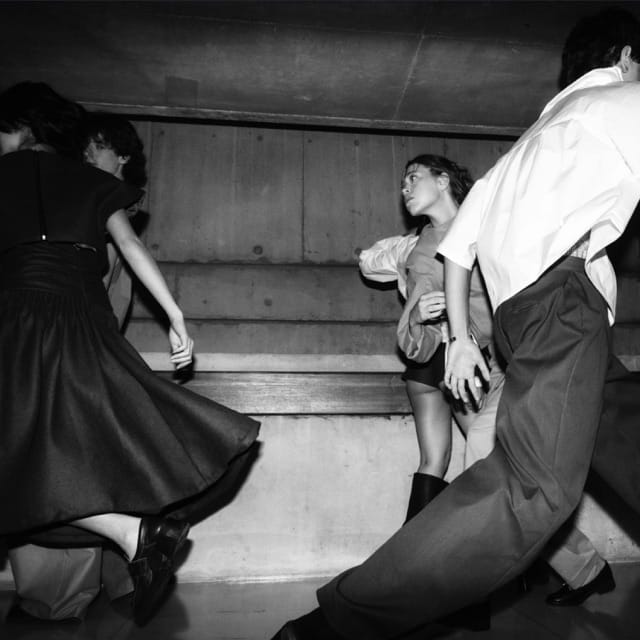


Jealous Guy by Aaskiran Virk: A Transformational Odyssey of Envy, Identity, and Ascension
He was never born jealous—he became it. Jealous Guy, the forthcoming fourth studio album by Aaskiran Virk, unfolds as a profound psychological and emotional chronicle—an ambitious conceptual body of work that transcends music to explore the anatomy of envy, fractured identity, and ultimate self-reclamation. At its core, Jealous Guy tells the story of an individual gradually consumed by the corrosive force of jealousy. It begins not with overt bitterness, but with quiet insecurity—a haunting internal whisper that he was never enough. Watching others seemingly advance while he remained emotionally stagnant, he internalized comparison as a measure of worth. Fear became his closest companion. Isolation became refuge. To survive this growing psychological unrest, he constructed an identity rooted in ego, validation, and illusion. He built walls around himself, hiding behind a version of who he believed he needed to become. Yet the more he pursued recognition, the more spiritually vacant he became. Jealousy was no longer emotion. It became worldview. Comparison became pathology. Validation became survival. As the album progresses, Virk masterfully examines how jealousy infiltrates every dimension of existence—distorting love, relationships, ambition, and self-perception. Success feels hollow. Emotional instability fractures intimacy. Love itself becomes refracted through insecurity and possessiveness. Rather than sensationalizing envy, Jealous Guy presents jealousy as both affliction and symptom: the manifestation of neglected wounds, internal abandonment, and the painful absence of authentic self-construction. Then comes implosion. When the illusion finally collapses and external distractions dissolve, he is left with only himself. No mask. No noise. Only truth. And within that silence emerges the album’s defining revelation: The jealousy was never about others. It was about the parts of himself he had ignored, buried, and failed to nurture. This realization becomes the transformative nucleus of Jealous Guy. From this point forward, the album evolves from psychological deterioration into transcendent reconstruction. Growth is neither immediate nor immaculate—it is grueling, deliberate, and deeply human. Through awareness, self-acceptance, and painful introspection, he begins dismantling the false identity he once relied upon. Jealousy transforms. It becomes fuel. Pain becomes perspective. Comparison becomes liberation. What once symbolized weakness is repurposed into strength. He no longer seeks external validation because he has confronted the only approval that truly matters—his own. By the album’s culmination, the “Jealous Guy” is irrevocably redefined. He does not emerge perfect. He emerges real. No longer governed by resentment or insecurity, he evolves into a symbol of self-mastery—someone who transformed fear into faith, suffering into wisdom, and emotional ruin into power. This fourth studio album by Aaskiran Virk stands as a visceral meditation on vulnerability, masculinity, psychological fracture, and existential ascension. Jealous Guy is not merely an album. It is a conceptual landmark. A harrowing descent into envy’s architecture. A resurrection through self-awareness. A declaration that authentic power is not inherited through validation—but forged through confrontation with the self. Through this magnum opus, Aaskiran Virk positions himself not simply as a musician, but as an architect of emotional and conceptual storytelling. Jealous Guy is designed not just to be heard, but to reverberate. It is a testament to transformation. A narrative of becoming. And the beginning of an artist fully stepping into his own mythology.