
The Wonder Years: "It’s about finding where your voice is important and worthwhile"
Later tonight The Wonder Years will take to London’s Alexandra Palace as main support to Enter Shikari. It’s the last night of a seven-date tour that’s...

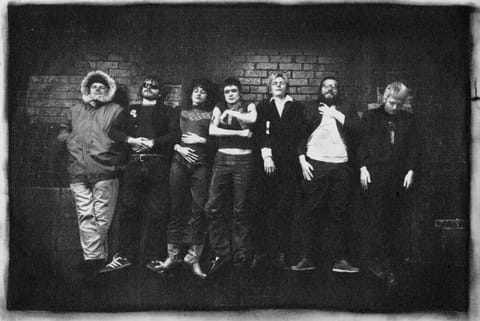
Later tonight The Wonder Years will take to London’s Alexandra Palace as main support to Enter Shikari. It’s the last night of a seven-date tour that’s seen the Pennsylvanian six-piece bring their latest album ‘No Closer To Heaven’ to the UK for the first time. What started as a pop-punk band back in 2005 has grown into so much more. Album number five takes their songs of struggle out of the suburbs and into the wider world, dealing with pharmaceutical sales and the abuse of prescription drugs, systemic racism, class and privilege, masculinity, violence and abuse. It’s heavy weather but The Wonder Years still aren’t a ‘political band’. “I think when you say that, it means that’s all that you do. I don’t even think that it’s a political record,” starts vocalist Dan ‘Soupy’ Campbell, fighting through illness. “I think it’s a personal record but the things that personally affected us, speak as part of a larger societal dialogue. We’re not writing songs about things that didn’t touch us in any way. I’m not writing about the pharmaceutical industry for no particular reason, I’m writing about it ‘cause it personally affected our lives.” The band take their own experience and bring it to the conversation. “I would say we’re still a personal band,” Dan offers. Their lives have just become more entwined with bigger issues. Those Big Issues are hard to break down but people got what ‘No Closer To Heaven’ was talking about from the get go. From the very first show, “from the first note of ‘Brothers’ people were singing and being wonderful,” even though the discussions the band wanted to start weren’t front and centre. “I don’t think I hoped everyone would get it. I just hoped that if they were looking for that, it was there for them, but if they weren’t then the songs could stand on their own. That was the big thing for me. To write songs that I felt were important but could function with or without that aspect.” One simple desire rang true. “It’s a good song no matter what we’re talking about.”