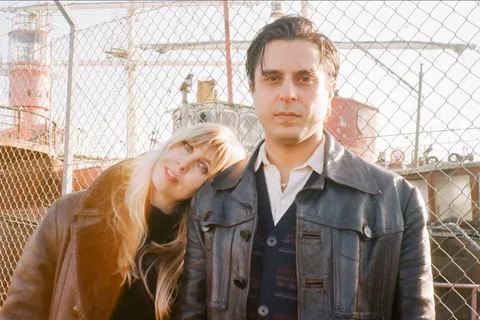
Crack Cloud: "It's art as a means of performative and rehabilitative healing"
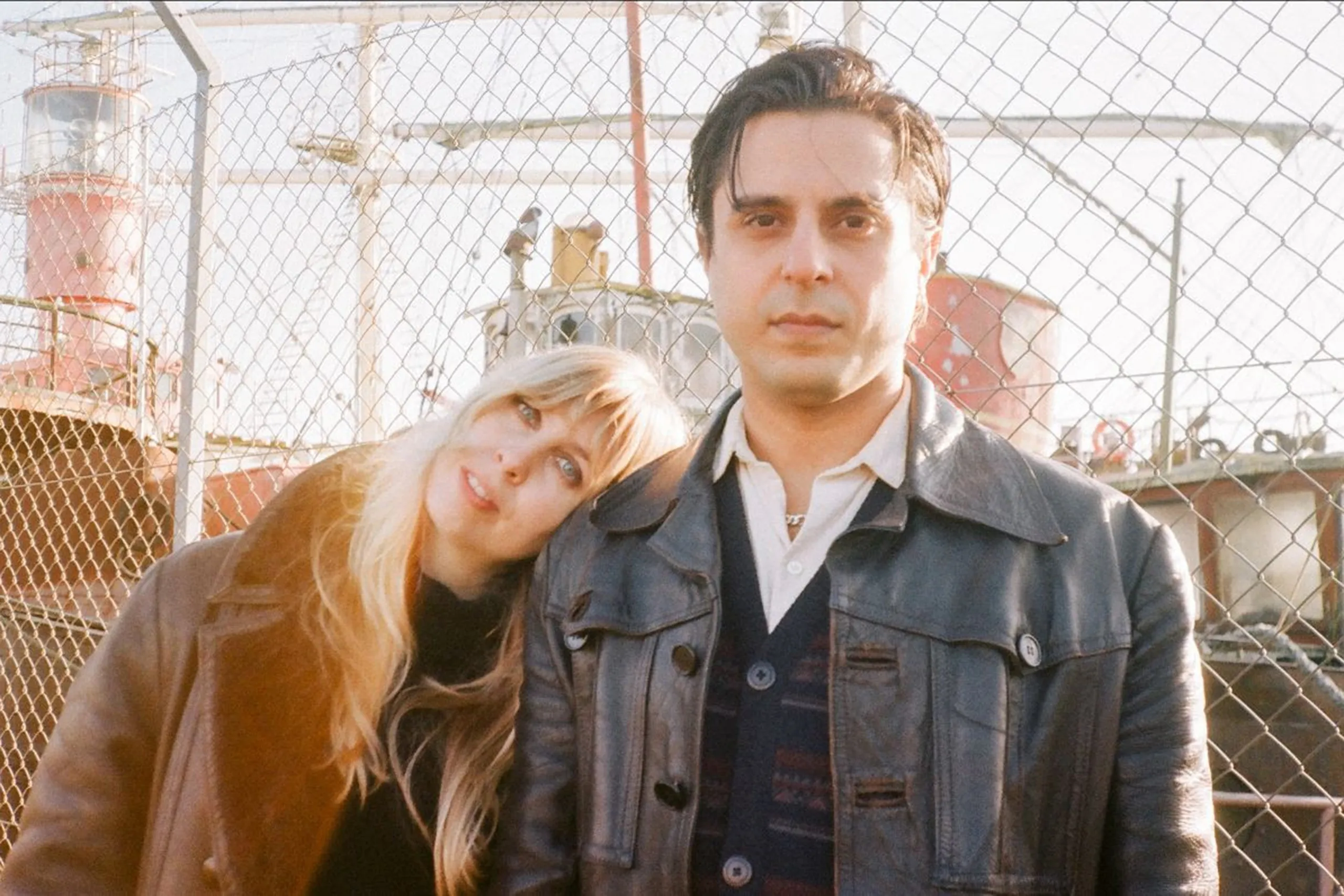
Vancouver collective Crack Cloud were founded on community spirit, communal freedom, and storytelling - they're an interesting bunch for sure.
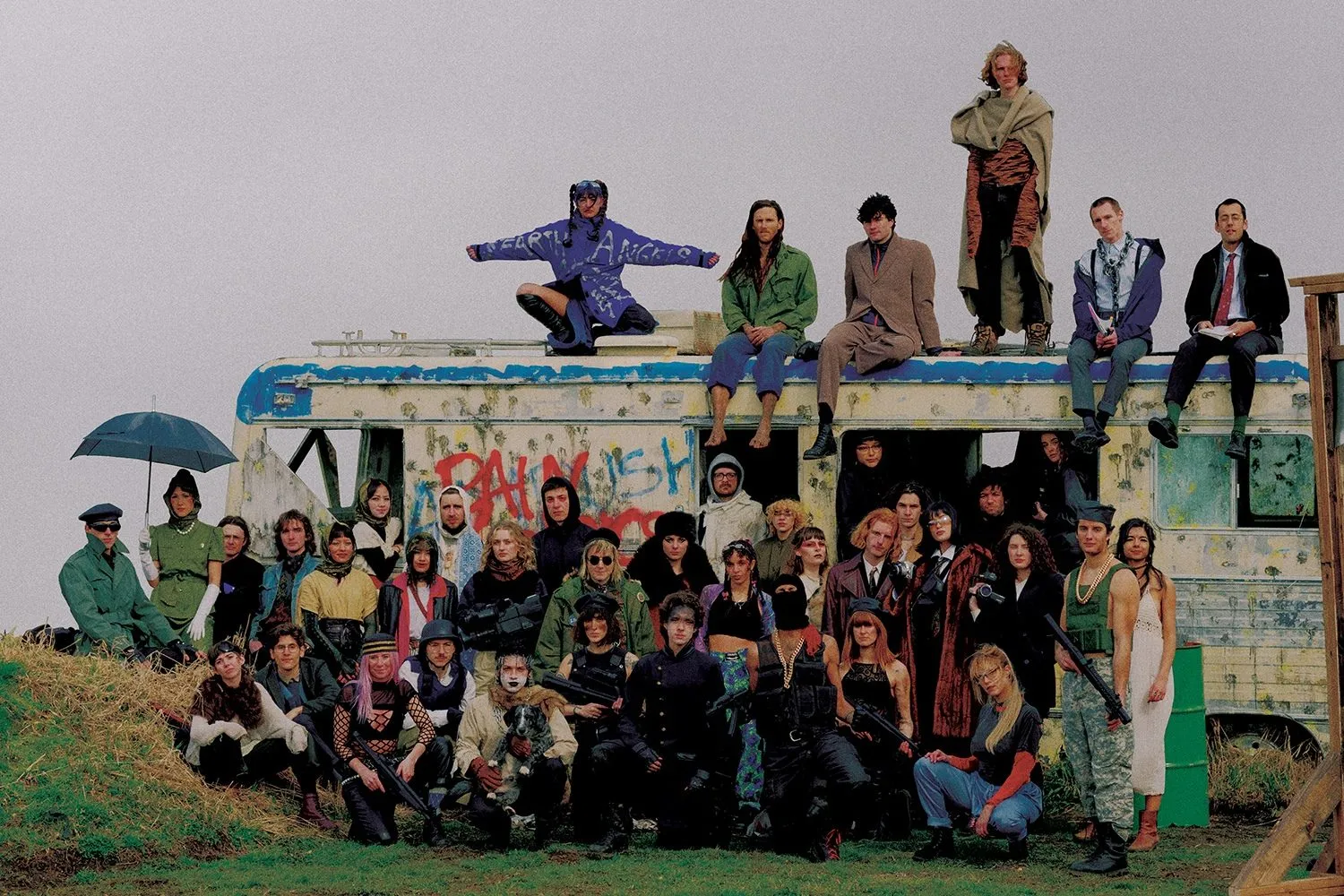
Crack Cloud are a far cry from your typical band. In fact, if you asked them, they'd probably tell you they were less a band than an art collective. When the Canadian group first started gaining buzz in 2018 off the back of two supremely vital EPs there was a clear seven-person configuration at their core, but a lot's changed since then. Not only is their debut record, 'Pain Olympics' primed and ready, but they've cast an even wider net for collaborators, drawing in a wildly diverse array of artists with little concern for medium or geographical location. It's perhaps no surprise then that Crack Cloud have also been described as a cult.
That open-armed approach to collaboration has resulted in a record that could loosely be labelled as post-punk, but doesn't do well with neat genres boxes. Too many cooks might spoil the broth, but Crack Cloud have busted right through to the other side of that curve and proven that using the most cooks leads to a special dish indeed. As Dork speaks to singer and drummer Zach from his backyard in Vancouver, he's quick to make it clear that those porous barriers aren't happenstance—they're encoded into the very band's DNA, and his 10-year friendship with keyboardist Mohammad Ali Sharar.
"There's a certain narrative that Mohammad and I have been developing for the last few years, largely informed by our experiences growing up, that's the basis." Those narratives, concerning addiction, oppression and their staunch political values have in turn "acted as a jumping-off point or foundation" for other artists to voice their experiences. "It's more complex than a core of people driving it. It's the whole intersectionality that we're taking advantage of, and I hope that it continues to grow to an even higher level inclusion than that."
Part of what makes Crack Cloud such an intriguing prospect musically is this focus on the art of collaboration rather than the perfect chord progression. Zach is clearly a passionate musician, but he sees the group as storytellers first and foremost. "As we become more familiar with our own territory here in Vancouver, and meet more people with different skill sets, we're able to take our vision a step further and a step further. I think that the music is very visual, and so, in order for us to tell our stories, it's necessary that we take on different mediums."
Get more Dork

Sessions · Playlists · Behind the scenes