From Sunderland with love: The Futureheads' self-titled debut turns 20
The album's legacy lies not just in its songs but in its spirit.
The album's legacy lies not just in its songs but in its spirit.
In the summer of 2004, as British guitar music was experiencing somewhat of a renaissance. In a scene already packing the mayhem of The Libertines and the tight riffs of Franz Ferdinand, four lads from Sunderland unleashed a sonic whirlwind that would help define the post-punk revival. The Futureheads' self-titled debut album, released on 12th July 2004, via 679 Recordings, arrived like a bolt of lightning, its 36 minutes and 13 seconds packed with more energy and sheer exuberance than many bands manage in their entire careers.
To understand the impact of The Futureheads, we need to step back into the early 2000s. The music scene was in flux, with the hangover of Britpop giving way to a period of Nu-Metal and Brit Rock, which in turn paved the way for a new wave of guitar-driven bands. This "New Rock Revolution", as NME dubbed it, saw acts like The Strokes and The White Stripes leading the charge, setting the stage for a new generation of British bands to take over. It was in this fertile ground that The Futureheads took root, alongside contemporaries like Franz Ferdinand, Bloc Party, Kaiser Chiefs, Maximo Park, The Cribs and, finally and perhaps most emphatically, Arctic Monkeys.
But The Futureheads weren't just riding a wave; they were helping to create it. Formed in 2000 in Sunderland, a city known more for its industrial heritage than its music scene, the band emerged from a vibrant local community. Sunderland's gritty backdrop and tight-knit creative circles played a crucial role in shaping the band's raw, energetic sound.
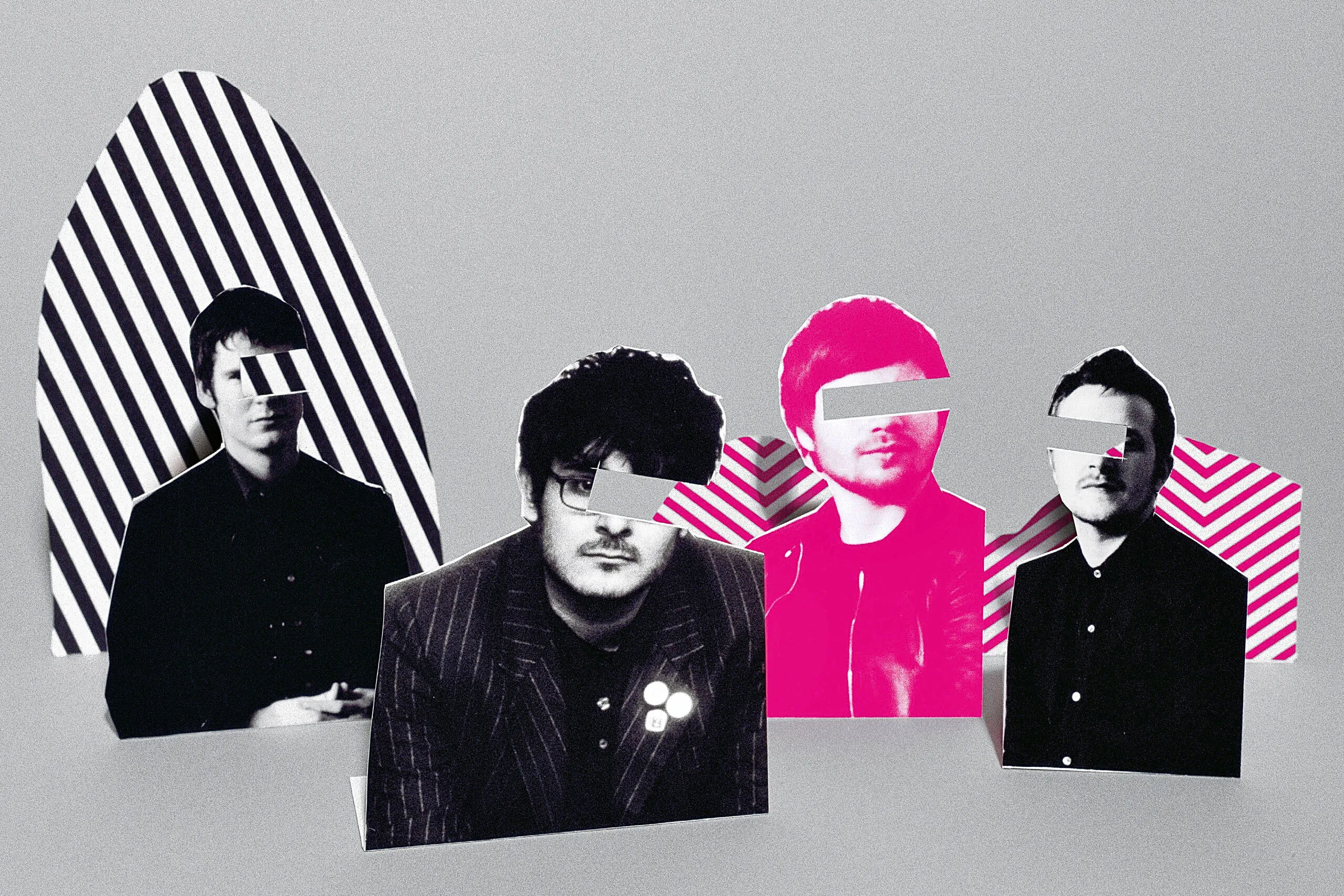
The Futureheads' lineup was a perfect storm of musical talent and chemistry. Barry Hyde, with his distinctive voice and frenetic guitar work and Ross Millard, deeply embedded in Sunderland's music scene, acted as a focal point for the group. David "Jaff" Craig's melodic yet driving basslines provided the perfect foundation, while Peter Brewis (later of Field Music, who played drums on the album before being replaced by Barry's brother, Dave Hyde) brought technical precision to the rhythm section.
Get more Dork

Sessions · Playlists · Behind the scenes