


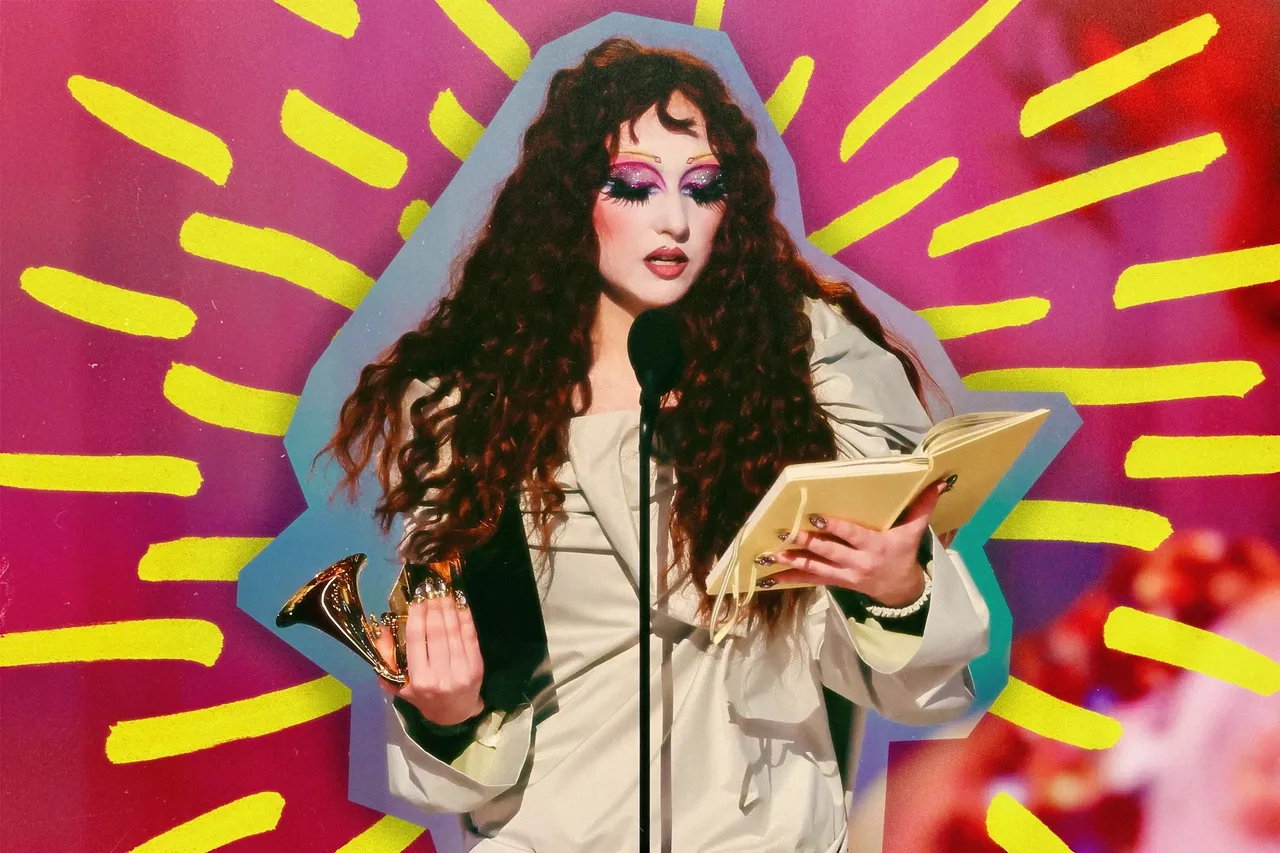
Under the bright lights of this year's Grammys, Chappell Roan stepped up to accept the Best New Artist award and delivered a message that cut through the usual gloss: “Record labels need to treat their artists as valuable employees with a liveable wage and health insurance.” She spoke candidly about being dropped by her label during the pandemic and losing her health coverage. The crowd of music-industry heavyweights applauded. Roan ended with a pointed question: “Labels, we got you, but do you got us?” In that instant, she highlighted the gap between the showbiz sheen surrounding breakout stars and the harsh reality that many musicians struggle to access even the most basic forms of security.
Her call for labels to offer healthcare and a decent wage may have taken some of the suits by surprise. Traditionally, labels don’t see themselves as employers. They sign artists under contracts that treat them as independent contractors, not staff on a payroll. That keeps labels from being on the hook for pensions, insurance or paid leave, but it also means an artist who loses a contract can be left without a safety net. Roan knows this scenario all too well, recounting how she was “devastated” after her label deal fell through, costing her not just a platform but also her health cover. She’s not alone: a prominent survey by the Future of Music Coalition once found that around 43% of American musicians lacked insurance, more than double the national uninsured rate at the time. Healthcare premiums can be steep in the United States, and performing artists often juggle inconsistent income from gigs and side jobs, making it hard to keep up with monthly costs. In the UK, where the NHS covers doctor’s appointments and hospital stays, the conversation focuses more on mental health care, which can involve waiting lists so long that many are forced to either pay for private therapy out of pocket, or cope without much needed professional support.
Ariana Grande, who rose to prominence as a teenager on Nickelodeon before becoming a global pop star, has echoed Roan’s concerns in a different way. Appearing on a recent episode of ‘WTF With Marc Maron’, she argued that therapy should be a “non-negotiable” part of the contracts young performers sign. Having experienced sudden fame at 19, Grande said she was thrust under intense scrutiny almost overnight and believes record labels and production companies have a responsibility to provide ongoing mental health support. “To be an artist, you are a vulnerable person with your heart on your sleeve,” she observed, adding that the same person who pours everything into their craft is the one least equipped to handle relentless public pressure without help.