


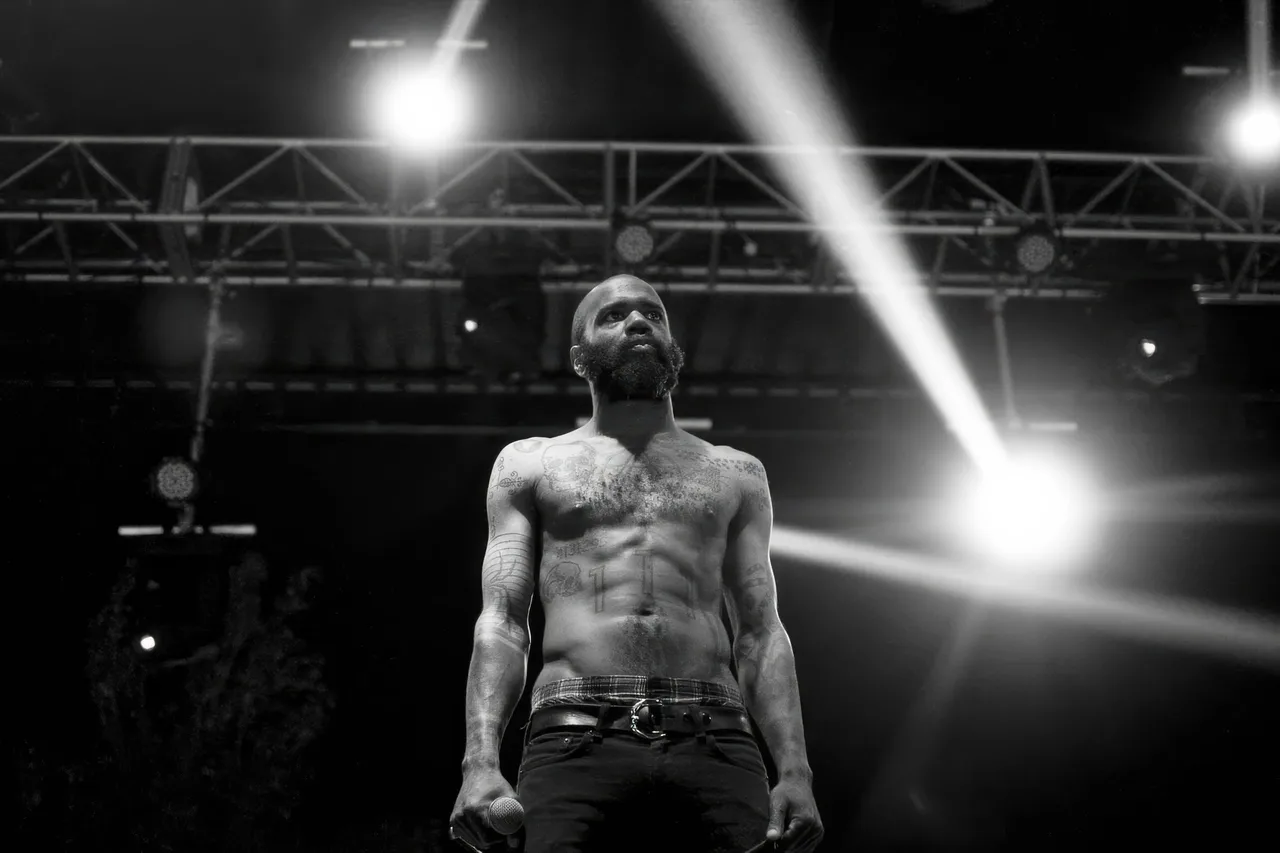
Since they emerged in 2010 with a refusal to conform to industry norms and expectations, absence has long served as a deliberate strategy for Death Grips. It shouldn't be too much of a surprise when rumours begin circulating that the group might be disbanding for good, then, but it remains a notion that has sent ripples through the music world. Stemming from a purported leaked conversation involving keyboardist Andy Morin, the whispers suggest that vocalist MC Ride has lost interest in continuing the project. Even though the band's history is replete with sudden withdrawals, unannounced returns, and enigmatic communications that have repeatedly defied conventional explanations, there's a feeling this could be more concrete.
From their inception, Death Grips have employed a method of 'absence as presence' that has come to define both their artistic identity and their relationship with audiences. The trio - MC Ride, Zach Hill, and Andy Morin - quickly distinguished themselves from their contemporaries by embracing a mode of self-presentation that was as much about what was not said as it was about the music itself. Early on, the band demonstrated a willingness to play by their own rules: shortly after signing with Epic Records in 2012, they cancelled a highly anticipated international tour to complete the recording of their follow-up to a successful debut, and it set a tone for future unpredictability. The subsequent leak of their album 'No Love Deep Web' — accompanied by an, erm, controversial cover image — further solidified their reputation as mavericks unbound by the usual rules. At a point where artists could still shock, they certainly completed the assignment.
One incident during the summer of 2013 remains a particularly striking example of Death Grips' predisposition for vanishing just when it's least expected of them. Set to perform at a Lollapalooza after-party, the band instead defined the performance by their very absence. Fans arrived to find an unmanned drum kit, pre-recorded music blaring from the speakers, and a large projection that featured a handwritten note. The setup, which many later understood to be an intentional art performance, quickly escalated into chaos when frustrated concertgoers took matters into their own hands. Equipment was damaged as it all kicked off. While some saw it as a cheap, bratty stunt looking for attention, others saw it as a statement on conventional performance norms - a rejection that would become a recurring motif.