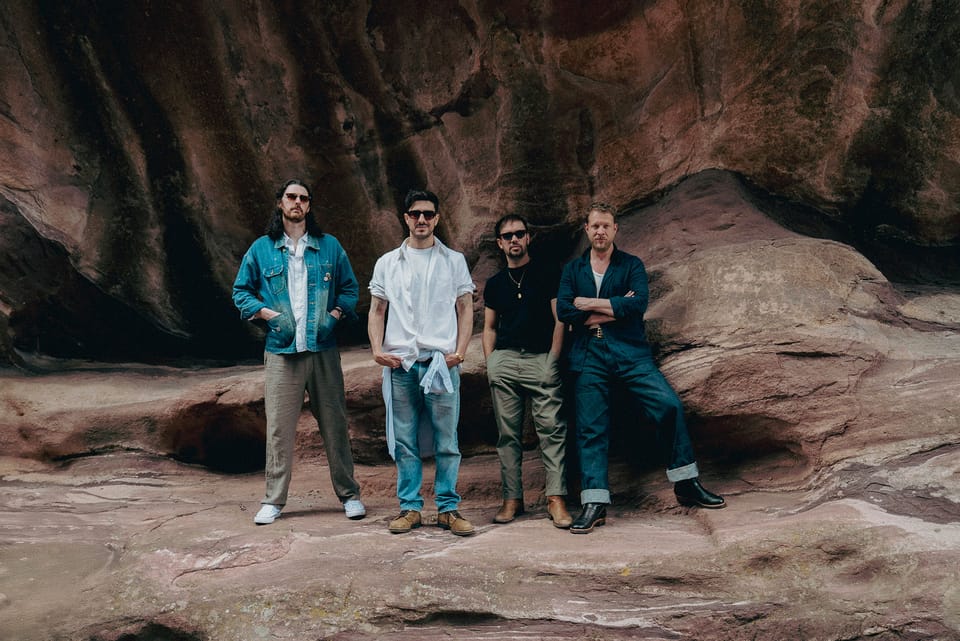


"There was definitely a moment where we were worried about people hearing our music too much," admits Mumford & Sons' Ted Dwane. Even now, when a friend tells them they've heard a song of theirs on the radio, their initial reaction is to say sorry. "But with 'Prizefighter', I do feel a lot less apologetic about that."
"It's the first album in a while that hasn't been driven by insecurity," adds Marcus Mumford. Instead, it has come from a place of renewed confidence. "That doesn't mean everyone has to enjoy it by any means. I don't feel desperate for people to like it, I just feel proud of what we've done."
After a few years of gigging around London and releasing early EPs on indie label Chess Club, Mumford & Sons had built enough hype to get them signed to major label Island Records.
It wasn't long before 2009's BRIT Award-winning debut album 'Sigh No More' made them impossible to ignore, thanks to breakout hits 'Little Lion Man' and 'The Cave'. 2012's 'Babel' was even bigger, both at home and in America. "There wasn't really space for reflection back then," explains Ted. "We were young, drunk and having an amazing time. We were so grateful that people were sustaining us, and that we were getting to do the thing we'd only ever dared to dream could be a reality. We had no interest in stopping or slowing down."
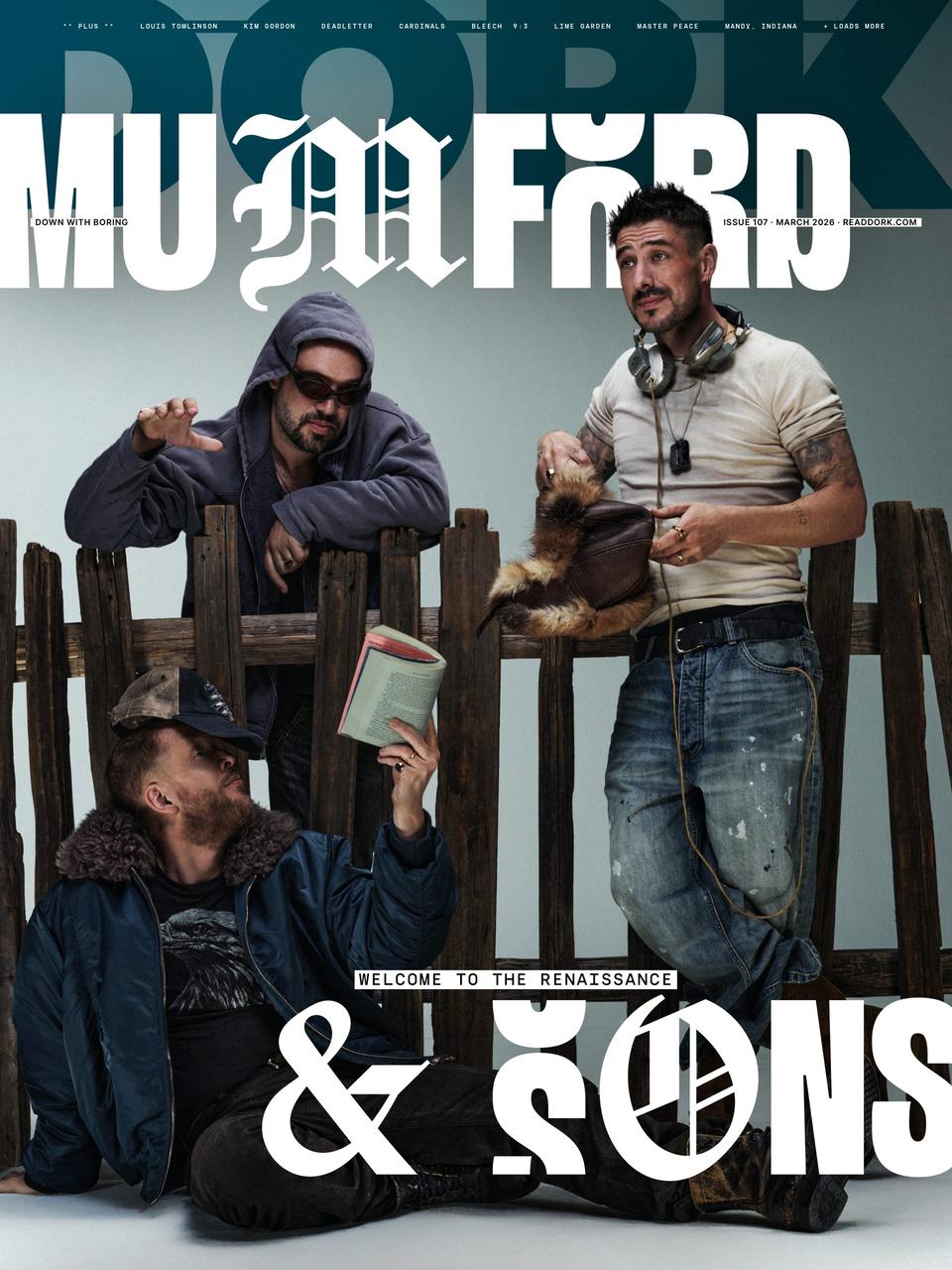
The band still have no idea why their music connected with so many people, but they're not questioning it either. "That degree of self-awareness isn't ever really going to yield anything of genuine artistic usefulness," says Ted. "I'm still very confused about the whole thing." Like Coldplay before them, Mumford & Sons' success and unavoidable radio hits made them an easy target for criticism.
"We were insulated from most of that, but people would always bring it up in interviews. Some of it did really sting, because we were young and we wanted people to like us," says Marcus. "But once you get a few records under your belt, you realise that's not your responsibility. All that really matters is that you like the music."
"I've got a thicker skin than I used to have," he continues. "All these years later, it's fucking hilarious that Liam Gallagher said [we look like we've got fucking nits and eat lentil soup with our sleeves rolled up]." Marcus claims the youngest Gallagher has since said some quite nice things about the band. "There's also a relief in knowing that this doesn't have to be our last record. With the first few, there was this constant fear that the opportunity might be removed from us [at any moment], but now, amazingly, we know there's an audience who are ready to have a crack at listening to what we put out."
The band tried to distance themselves from the banjo with 2015's more electronic 'Wilder Mind' and 2018's alt-pop 'Delta' before an uncomfortable few years that saw founding member Winston Marshall quit the band after the backlash that came with him championing far-right influencer Andy Ngo. Winston has said he's got "no regrets" over the decision and currently talks about the so-called culture war on YouTube.
The remaining members of Mumford & Sons aren't as eager to weigh in on politics. "I don't think musicians should automatically become spokespeople on every issue that the world wants to try and resolve. But culture reflects what's happening in the world, so it'd be unnatural to say there should be no crossover," Marcus told The Telegraph recently.