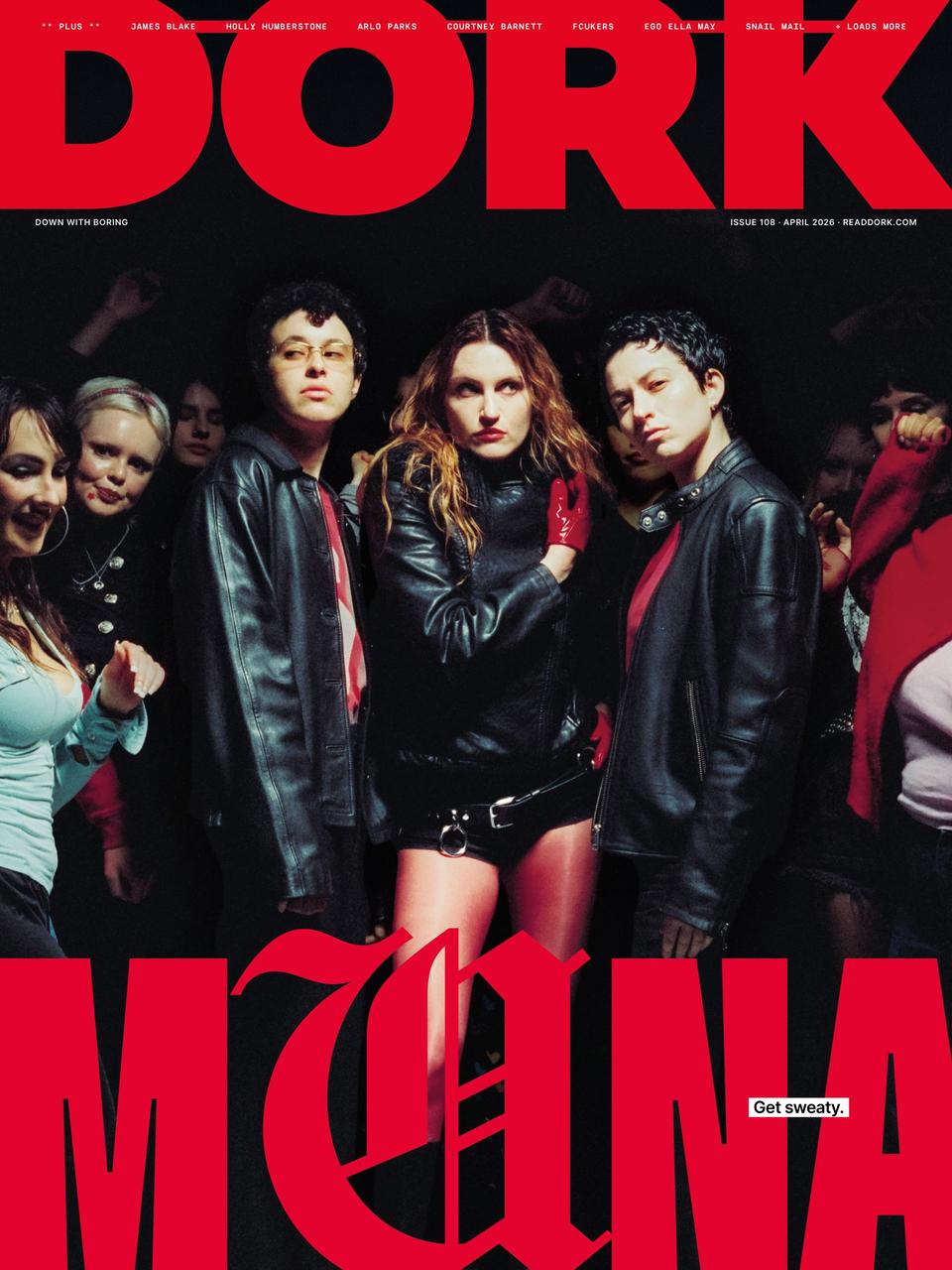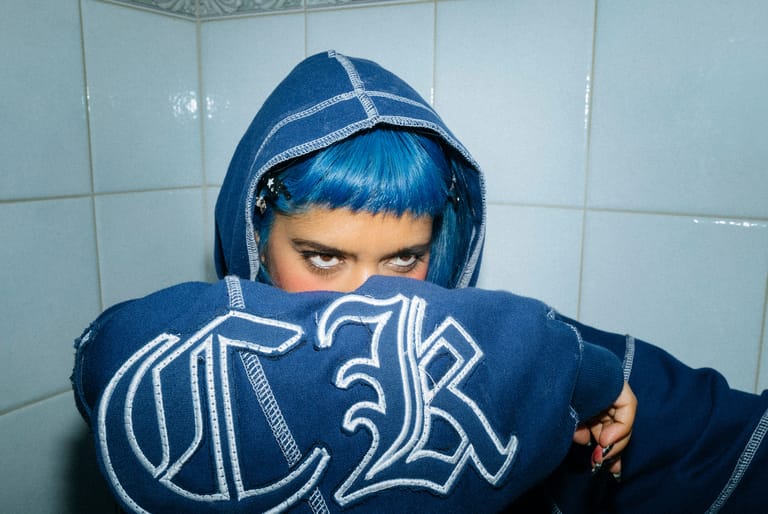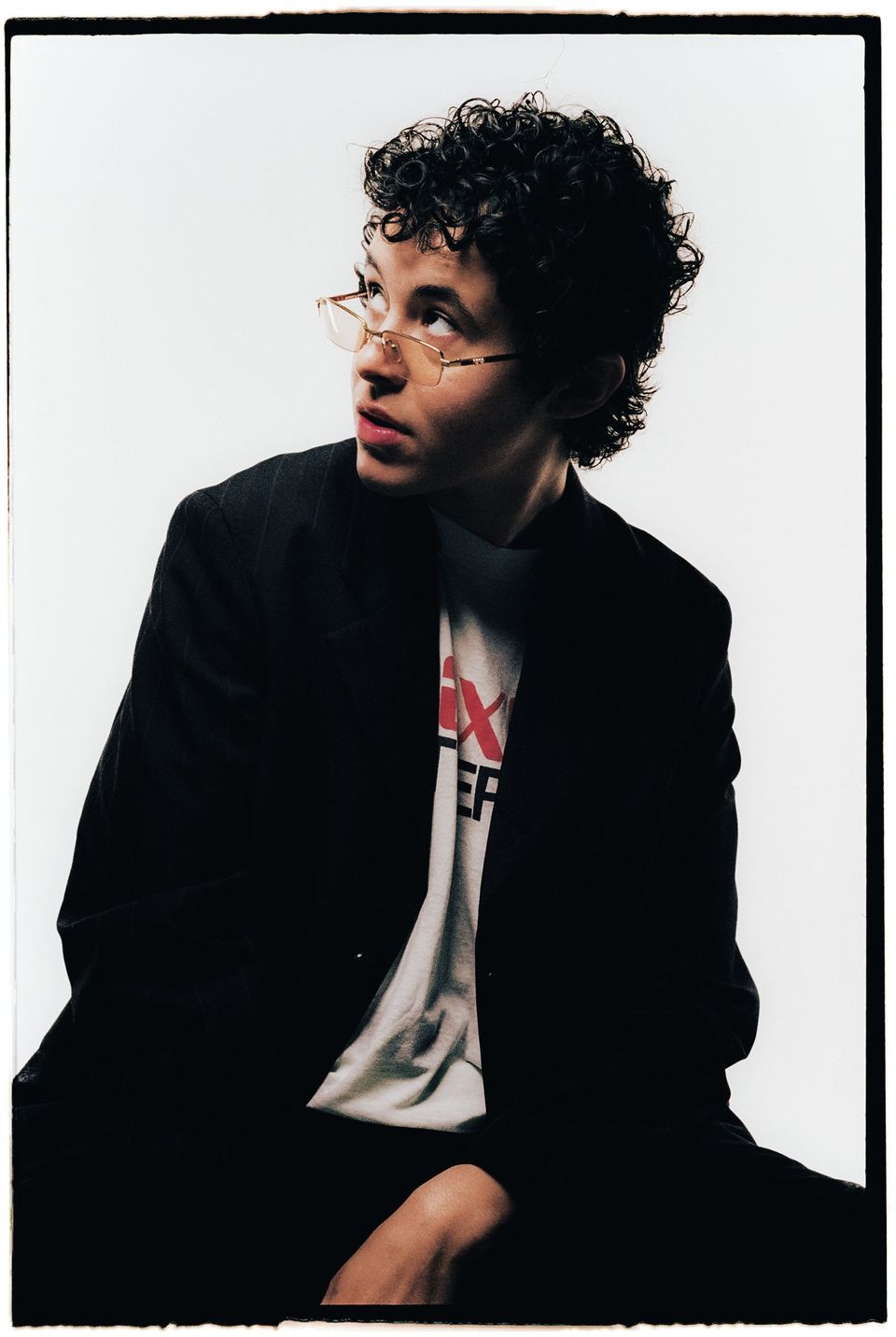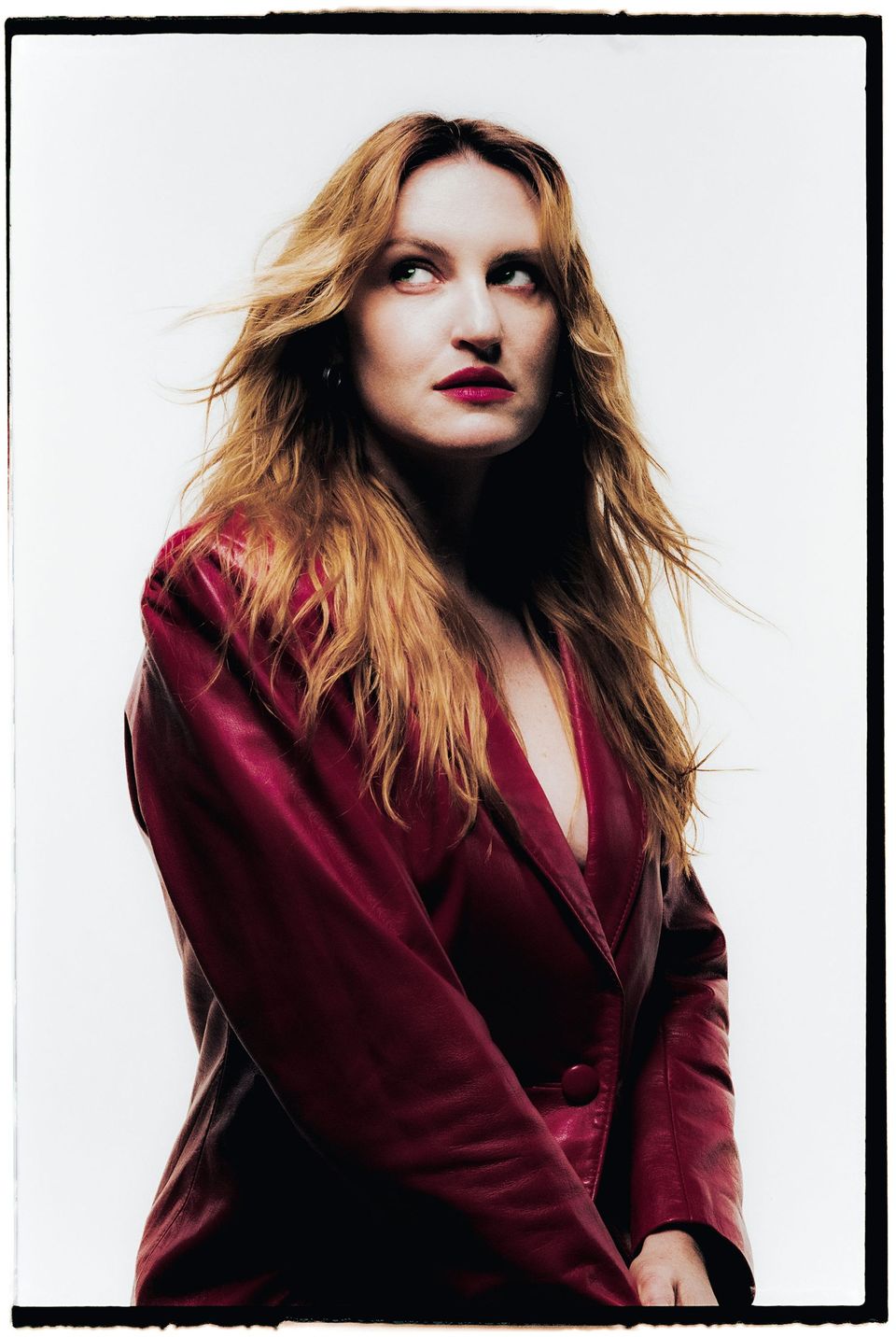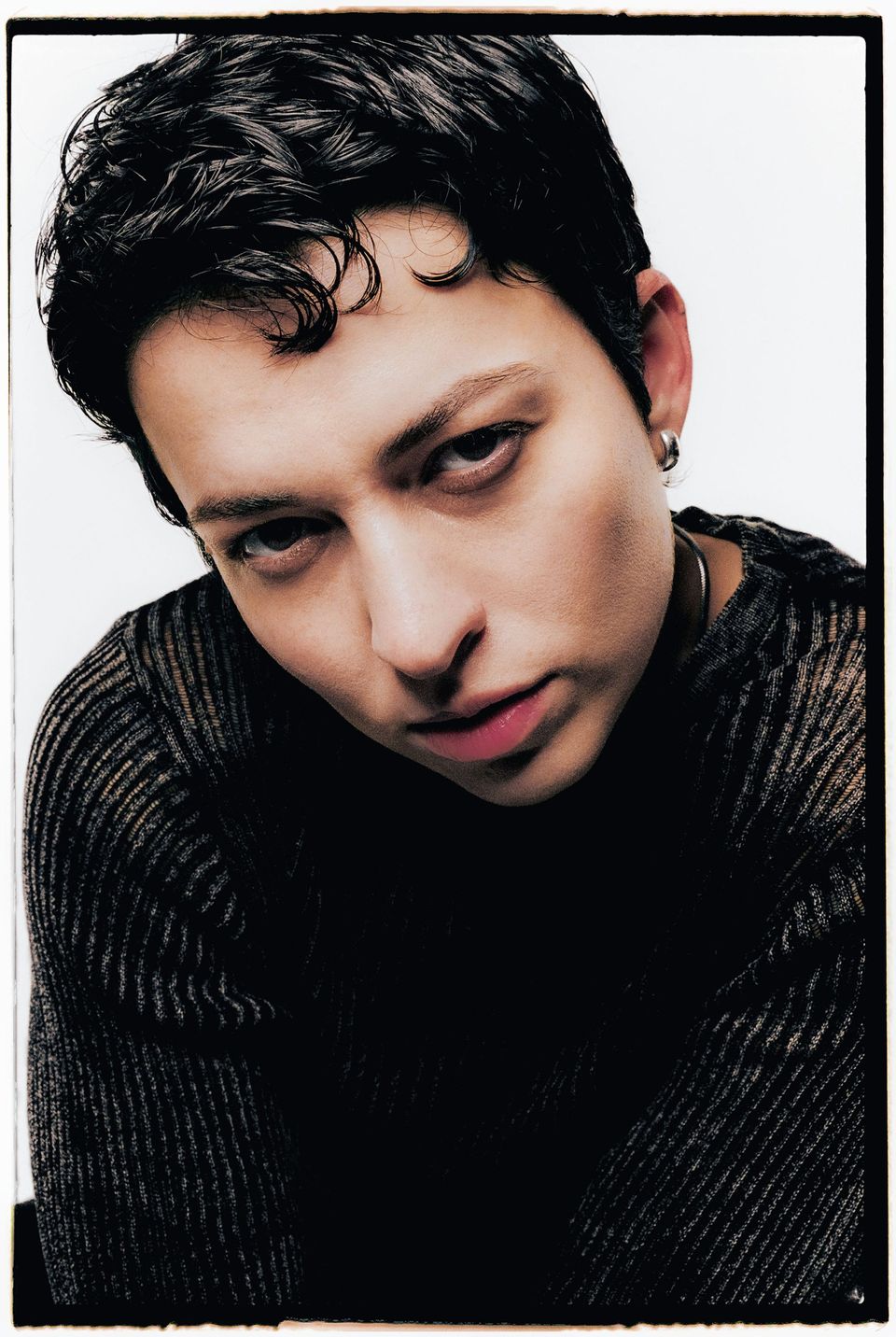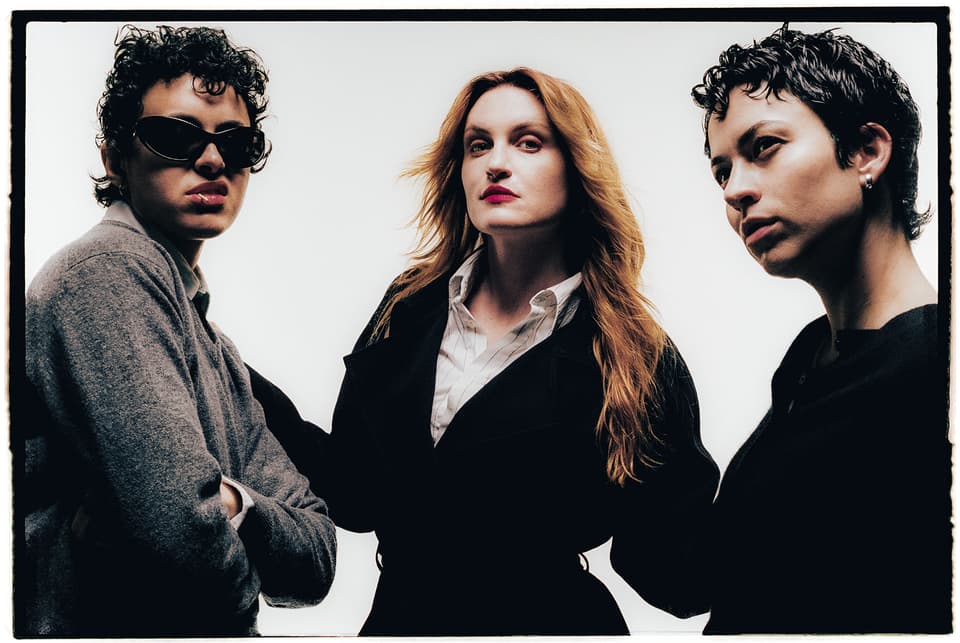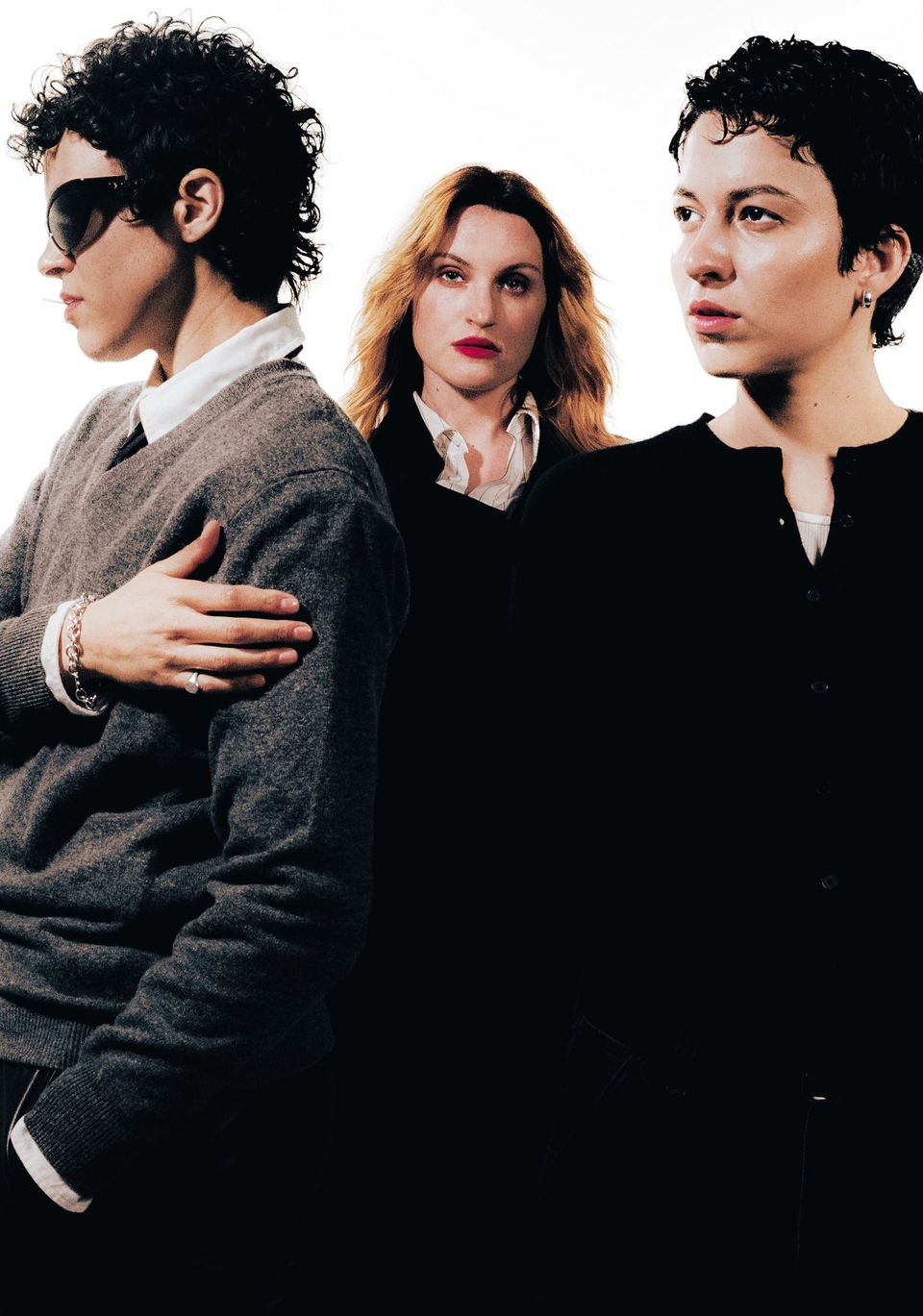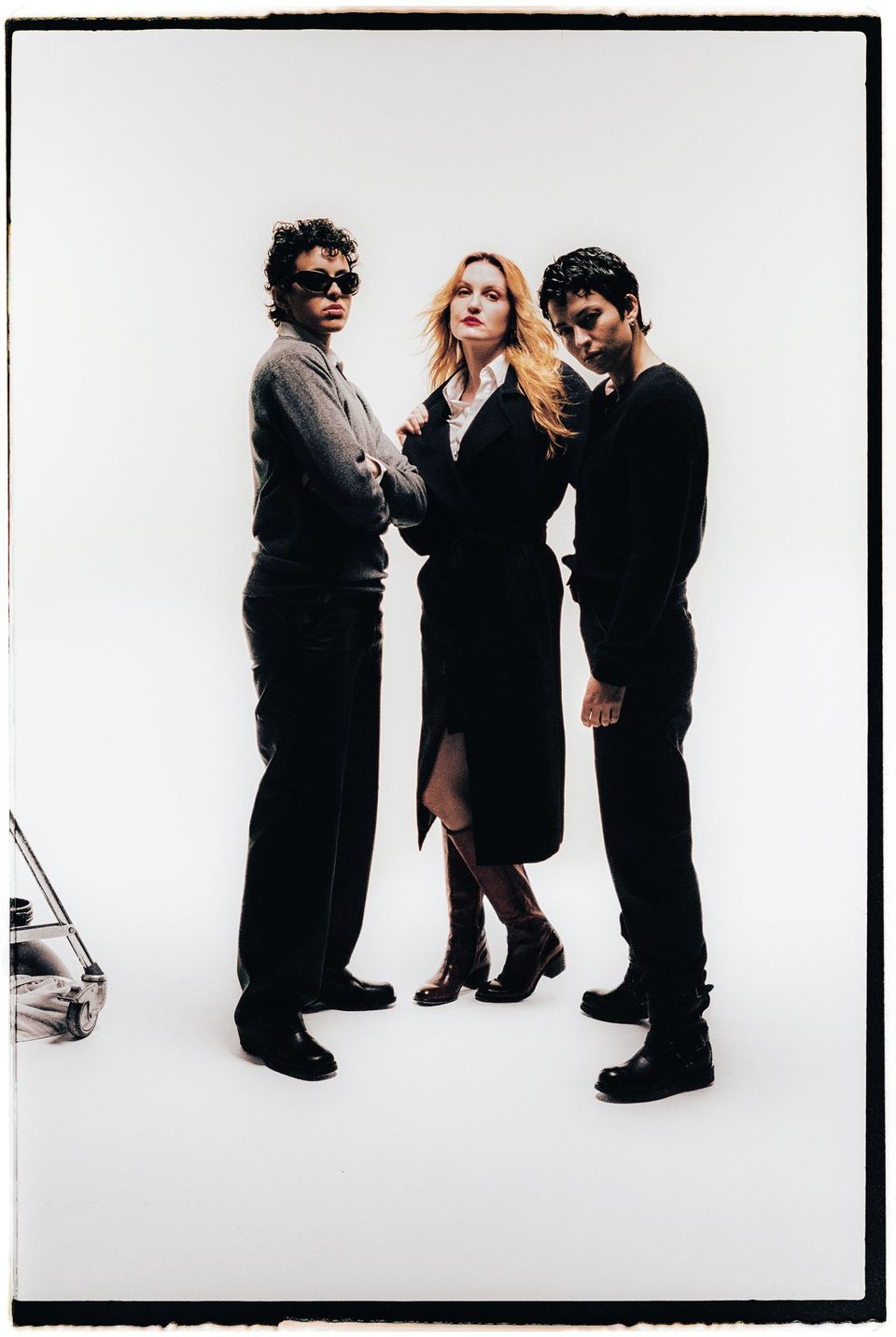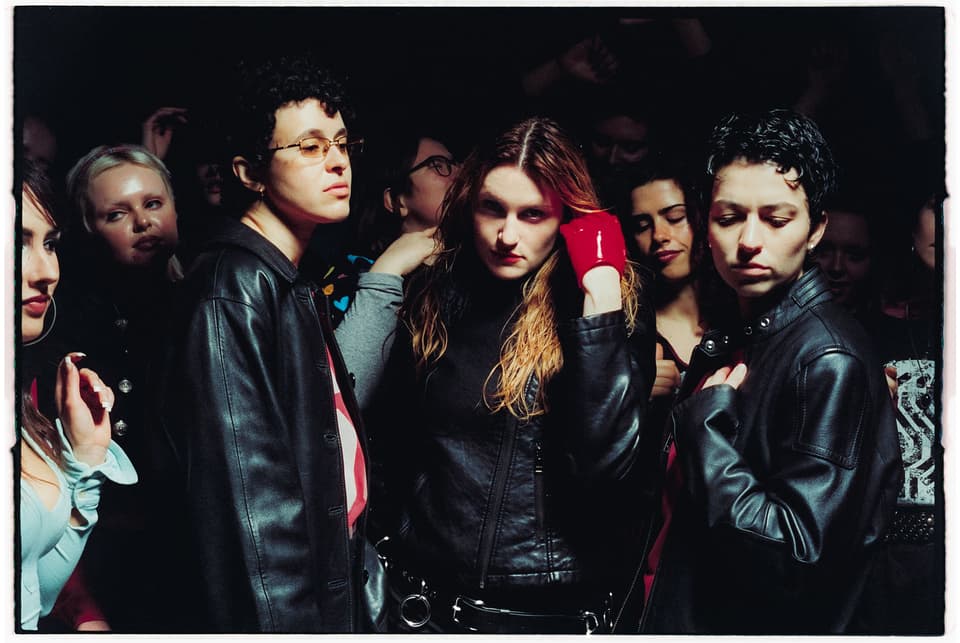

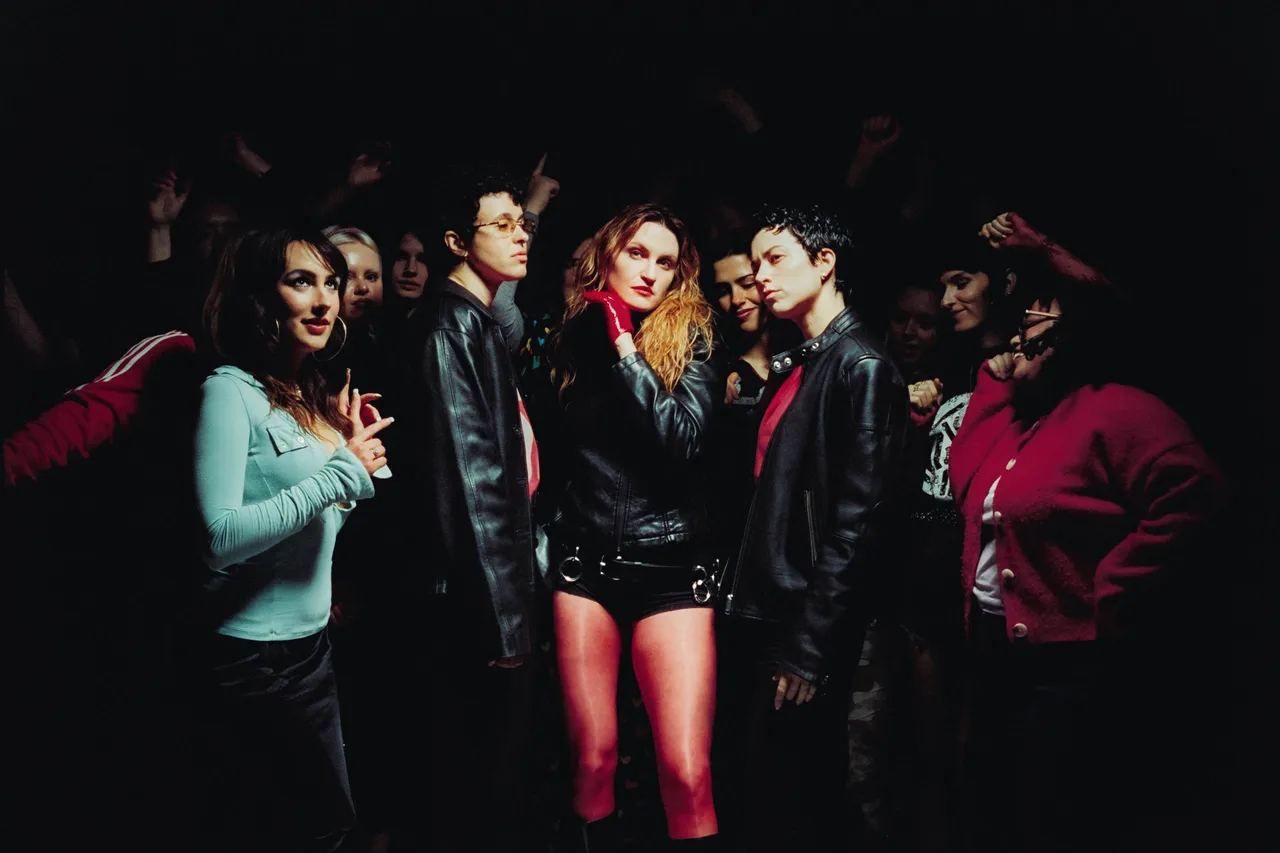
There's no better place of reckoning than a dance floor. To dance is to decipher and discern, and the sordid, sticky heat of a nightclub serves as the perfect stage on which to enact life's biggest mysteries and work through them, one at a time. Everything is different under those lights, and that dark, alluring atmosphere acts as the perfect home for MUNA's fourth album, 'Dancing On The Wall'. An album that exists in a place of contemplation, in between conflict and fear and desire and euphoria, 'Dancing On The Wall' is the inevitable product of the chaos of the last few years for MUNA, and arguably, their best yet.
With their self-titled third album, Katie Gavin, Naomi McPherson and Josette Maskin saw new heights of success - 'Silk Chiffon' still continues to ring in everyone's ears the moment the sun comes out each year, the stages they found themselves on grew rapidly in size, and they embarked on their longest album cycle as a result. With that being said, there was a lot left to contemplate when they finally arrived at a much-needed break. It was time to reckon with, recharge and reconvene, and let whatever happened next unfold as it may.
"We needed enough time to change a little bit more," explains Josette, as the band finally find time to pause and snack, upstairs in the studio they've just spent the afternoon shooting in.
Katie chips in: "There were certain life experiences that needed to happen for this record to fully come into fruition. Each of us had experiences, so we individuated a little bit, and that made us stronger when we came back together. I think you can fall into really specific roles in a band, and when we came back together, there was more space for people to feel more fluid, and that helped the creative process."