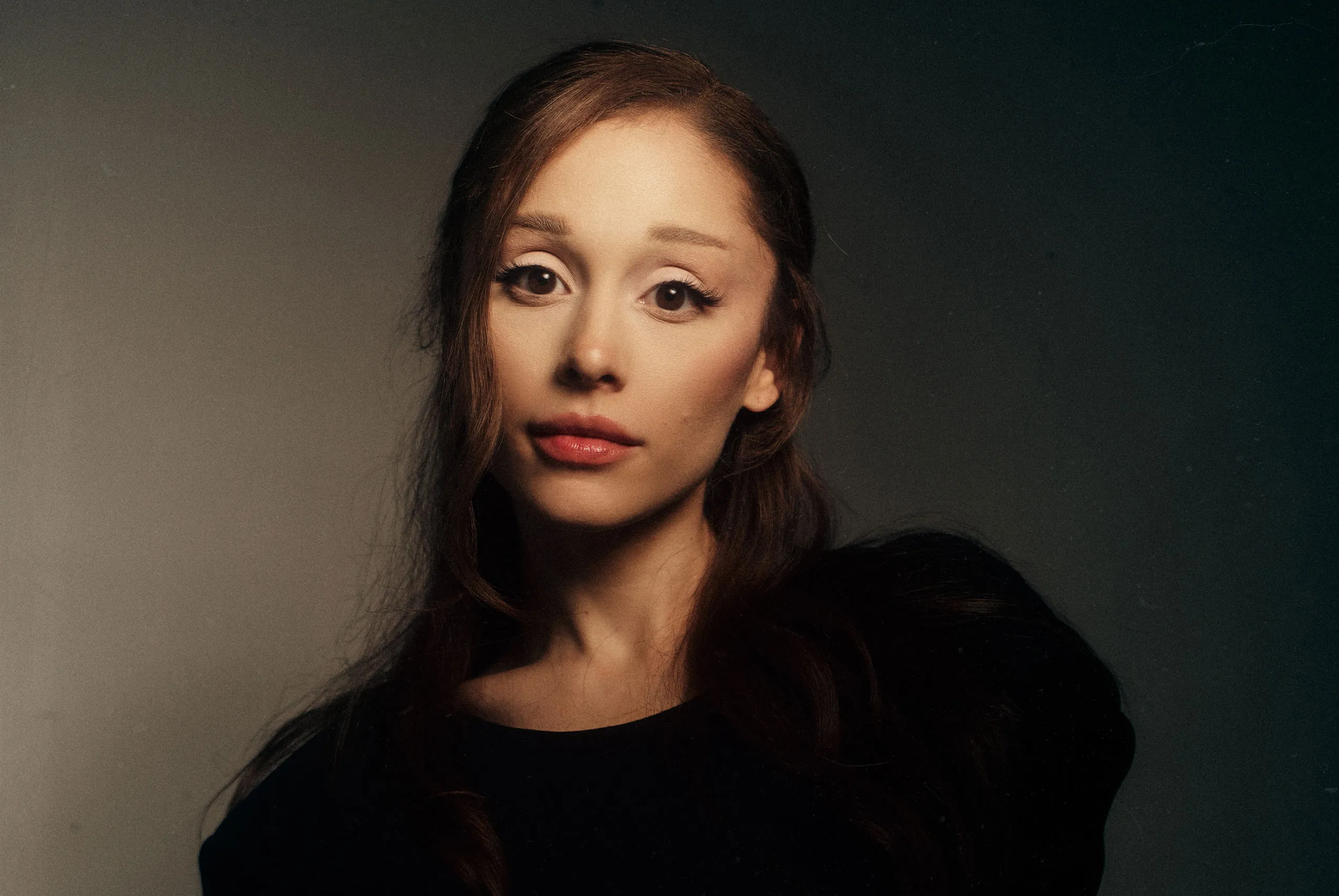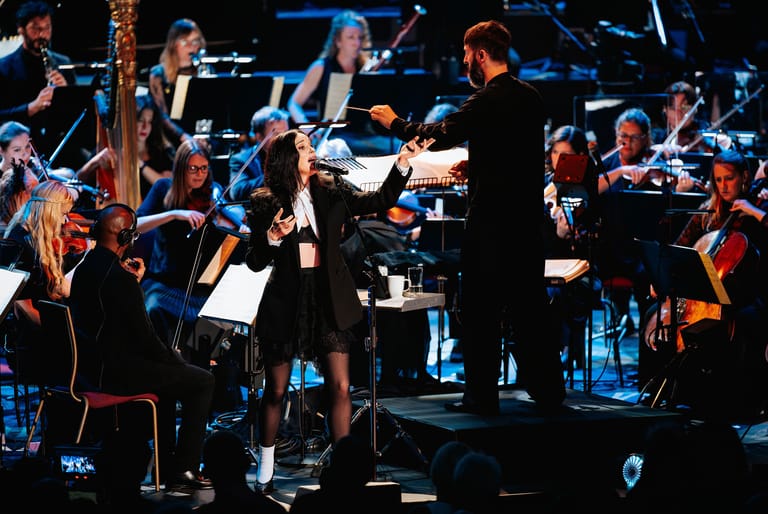




Pop’s current default setting is escalation: louder narratives and a sense that whatever comes next has to top whatever just happened (preferably while also going viral on at least three platforms). Olivia Rodrigo, at least as she appears in her just-dropped brand new British Vogue profile, seems less interested in playing that game than in stepping off it entirely. This is not a hard reset or a reinvention-by-costume-change moment, even if she is slowly turning purple to pink all over the place as part of the dawn of a new era. It’s something more subtle and arguably telling: an artist who has already experienced the full velocity of modern fame deciding, with some care, what parts of it she actually wants to keep.
The break between ‘Guts’ and whatever presumably four-letter-titled record follows isn’t framed as absence, but as intention. She’s talking about time and the idea that life has to happen before it can be turned into songs. There’s a lightness to it, too — a sense that she’s interrogating some of the more romantic myths attached to her own rise and finding them, if not false, then at least not that useful. It’s someone loosening her grip on a narrative that was halfway round the world before the truth had its spangly pants on.
But clearly, Olivia isn’t about to disappear right now. If anything, the opposite. It just means whatever we are about to receive will arrive on her terms, rather than as a response to expectation. Here’s what stands out.
The new record is love songs — but not the comfortable kind
She’s close to finishing (“two or three songs” left), and the direction is clear without being over-explained. These are love songs, but not neat ones. She describes them as "sad love songs", and, more specifically, says her favourite romantic songs are beautiful because they have "a tinge of fear or yearning".
That distinction does most of the work. This is a continuation of what she’s always done, just from a different emotional starting point. She admits it was “a creative challenge to write from a joyful place”, suggesting the process has shifted even if the outcomes still sit in that uneasy space.
When she talks about what being in love actually does, it’s framed more as exposure — something that brings everything else with it to the surface. The songs, by the sound of it, follow that same logic.