
Dork
Dork Radio
Live
Dork Radio

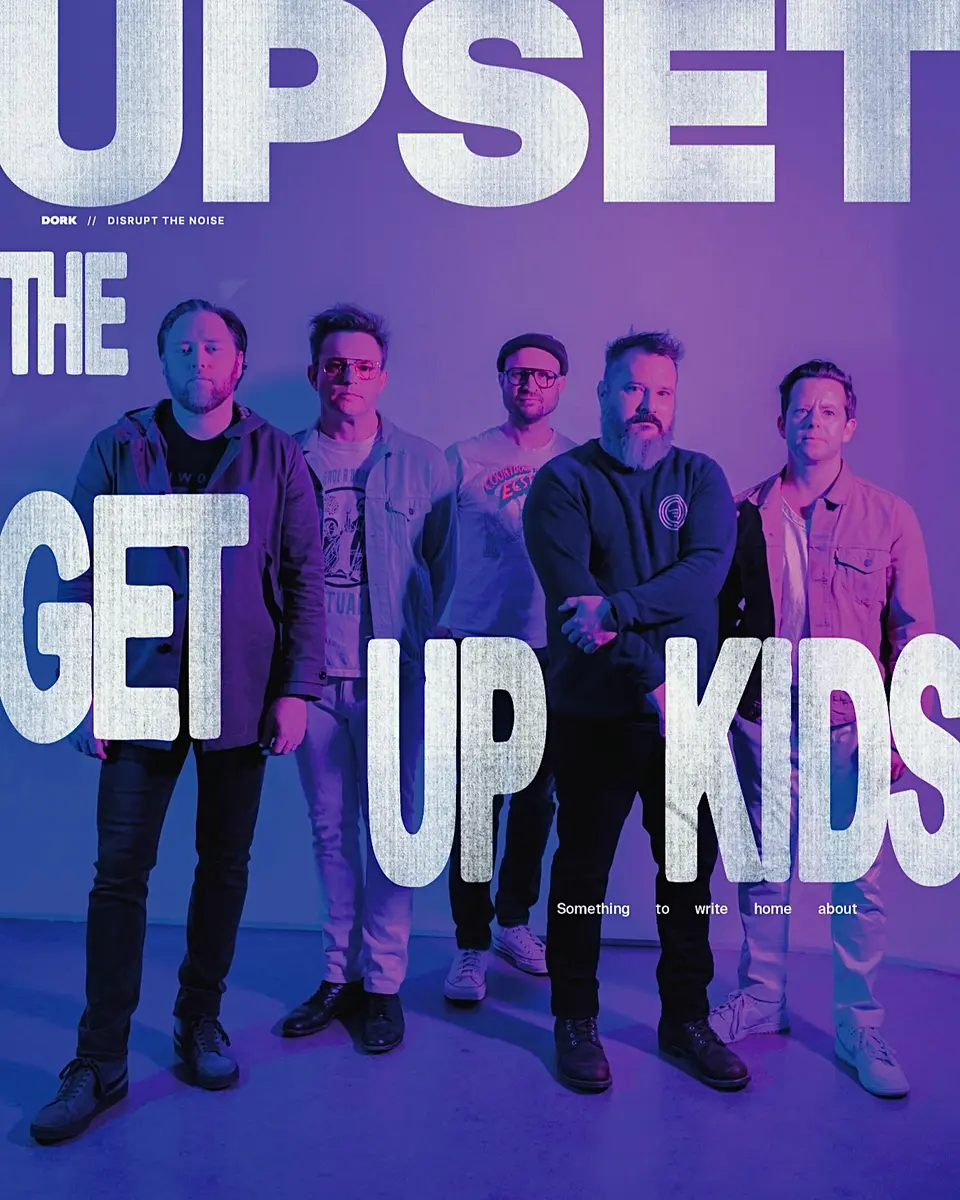
The Get Up Kids' classic 'Something to Write Home About' at 25: "People often ask me if I'm sick of these songs. And I'm not. I'm just sick of rehearsing them"

Calling albums legendary, era-defining or 'seminal' might be increasingly common faire, but when it comes to The Get Up Kids' 'Something to Write Home About', the reverence is deserved
The Get Up Kids' classic 'Something to Write Home About' at 25: "People often ask me if I'm sick of these songs. And I'm not. I'm just sick of rehearsing them"

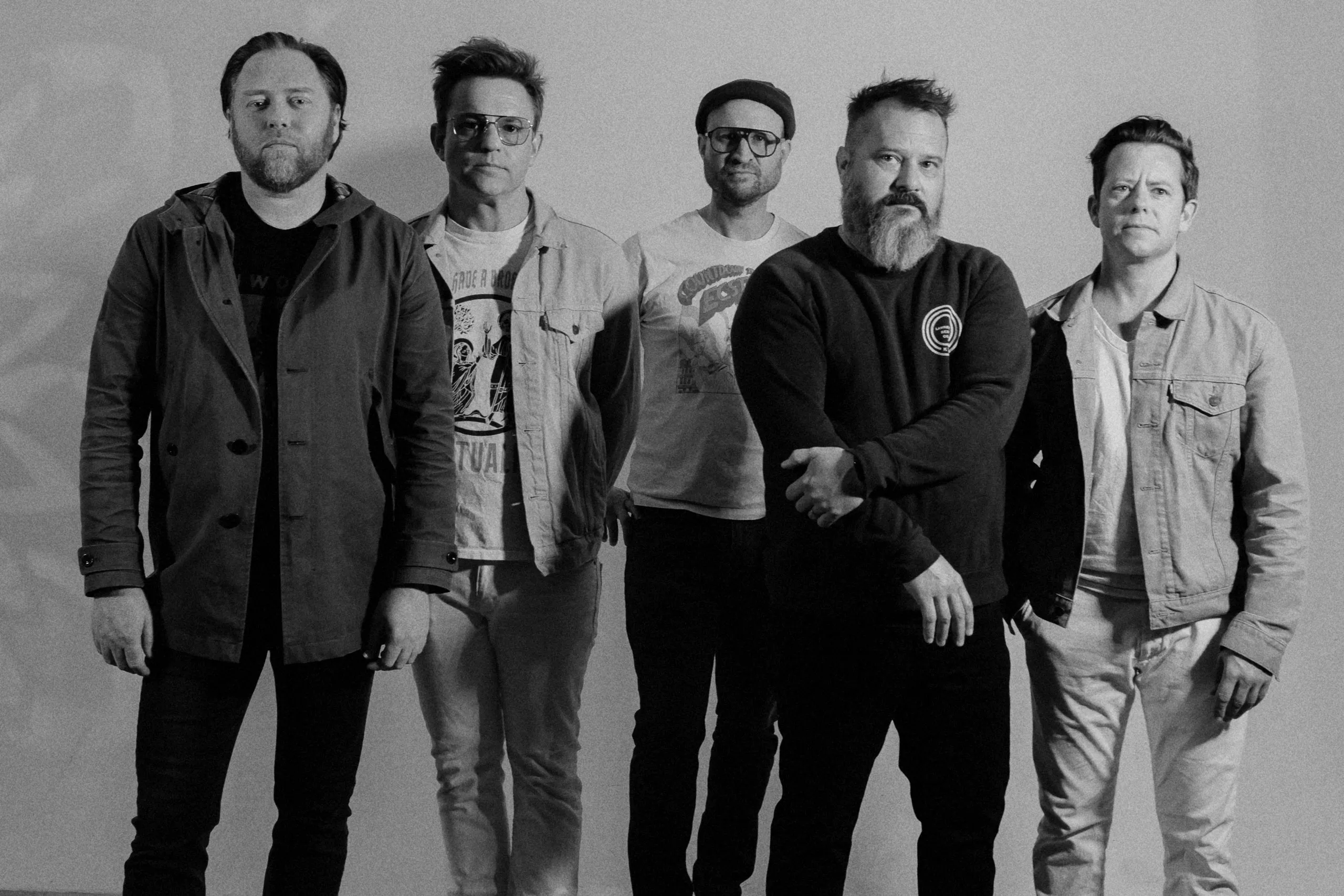
Calling albums legendary, era-defining or 'seminal' might be increasingly common faire, but when it comes to The Get Up Kids' 'Something to Write Home About', the reverence is deserved. As they announce a new 25th-anniversary deluxe reissue, Rob Mair catches up with the band's Matt Pryor to chat about a modern classic. Check out our latest Upset cover story.

Words: Rob Mair.
Photos: Shawn Brackbil.


Unable to display Spotify embed


"'Something to Write Home About' seems to have been a perfect storm of 'right place, right time'. It connected with people; it still does. But even then, the right place, right time aspect of it, a lot of that is outside of the art itself. It was how it was promoted, it was the world around it, it was the audience's willingness to listen to it… It was just perfect. Lightning in a bottle."

The Get Up Kids' Matt Pryor is right. 'Something to Write Home About' made the Kansas emo group the hottest band on Planet Rock in 1999 – but it was more than just lightning in a bottle. It was the lightning rod that connected the burgeoning second wave of emo, serving as the catalyst for the mainstream breakthrough.

The musical landscape of the time was in desperate need of something new. Grunge had long since gone. So, too, the mid-90s punk explosion, which had seen both Green Day and the Offspring migrate to major labels. Meanwhile, a third wave of ska – led by Less than Jake and Reel Big Fish – was rivalling nu-metal's aggression as an outlet for the testosterone-fuelled youth. At this point, emo wasn't even on the radar of the wider consciousness.

But while all this was being played out on MTV, a committed group of acts was crisscrossing the United States, fostering a network of connections rather than a codified sound. They were all united, however, by their honest, confess