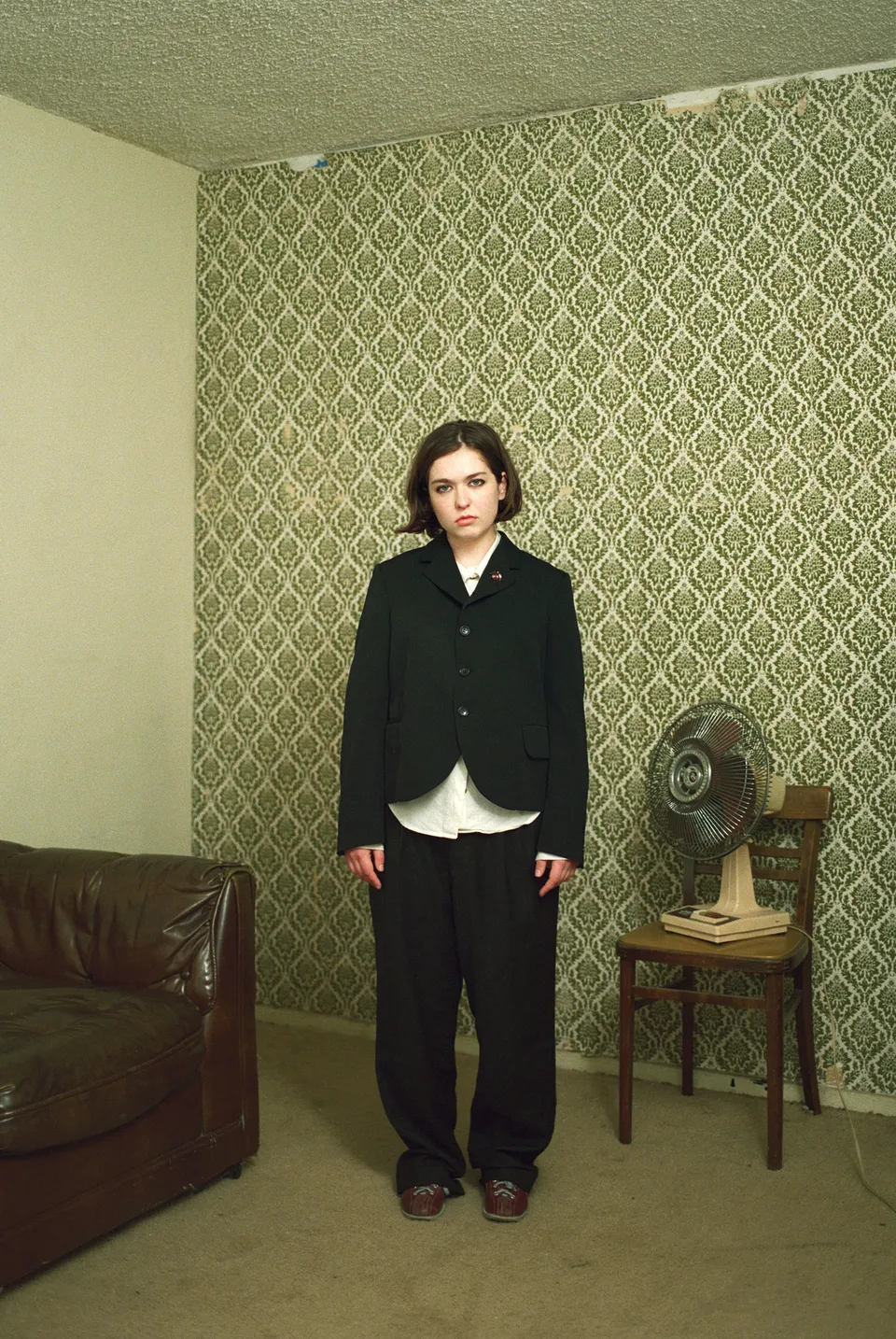

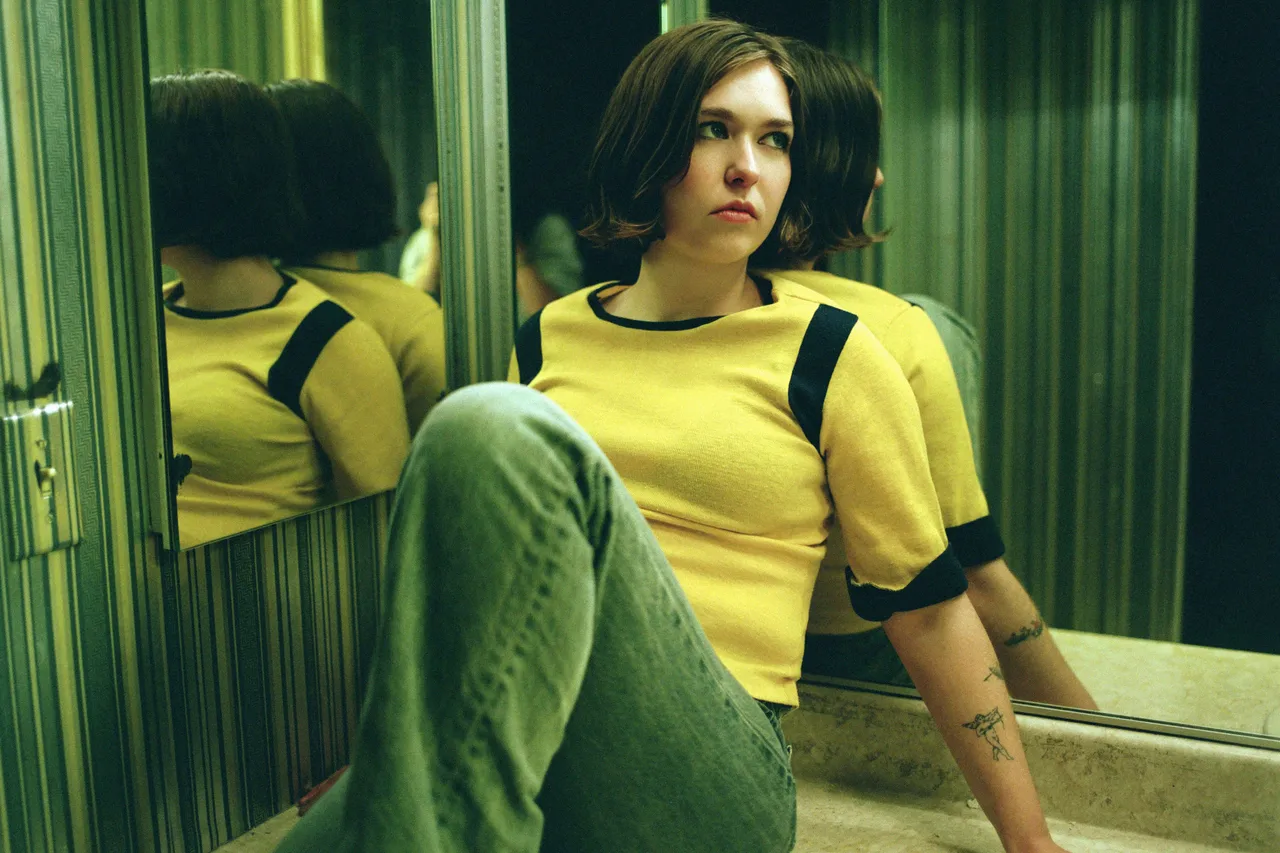
"I got really into being scared of death and dying," says Lindsey Jordan of the gap between her second Snail Mail album and her new record, 'Ricochet'. It's an unusual hobby, but let's go with it.
This time around, Snail Mail is dealing with big ideas and big feelings. There's nothing bigger than mortality and the passing of time, and Lindsey's exploration deep within her existential soul makes this Snail Mail album operate on an altogether different spiritual level.
The theme of death and what it means to be alive started to crystallise in Lindsey's mind over the five years that she was working on this album on and off. She knew she wanted to operate on a more expansive canvas lyrically than the winsome romanticism of her previous albums, 'Lush' and 'Valentine'. "I wanted to use more imagery," she says. "I would love to use even more and maybe go a little more out of the box with it and also just, like, really try to make everything connect."
The connective tissue that helped spark her concept into life is the song 'My Maker', a dreamy, expansive rock song that poses big questions and meets the moment in scale and ambition.
"I wanted to use the lyric 'Above us, it's just sky'," she explains. "I saw that movie Synecdoche, New York, by Charlie Kaufman maybe four years ago, and it just sent me into a really crazy tailspin of, like, intense OCD. All I could think about or focus on was just worrying about death. I still struggle with it, but it's not what it was before. It's just something that lives inside of me."
With these feelings brewing up inside her, it was clear that the next Snail Mail album couldn't be about anything as trifling as teenage love in comparison. "I didn't want to write about romance or love, because I feel like I got comfortable doing that," she says.
A broader perspective on life helps make the songs here feel more rounded and dynamic, with a swirling mix of emotions. She might be asking a lot more questions, but she still hasn't yet found the answers, although she's putting in the work. "It's not a sage perspective," emphasises Lindsey. "But it's more than just writing in a diary and being like, 'What's gonna happen?', you know?"
"There's a fire inside of me that I can't seem to put out"