

Dork
Dork Radio
Live
Dork Radio

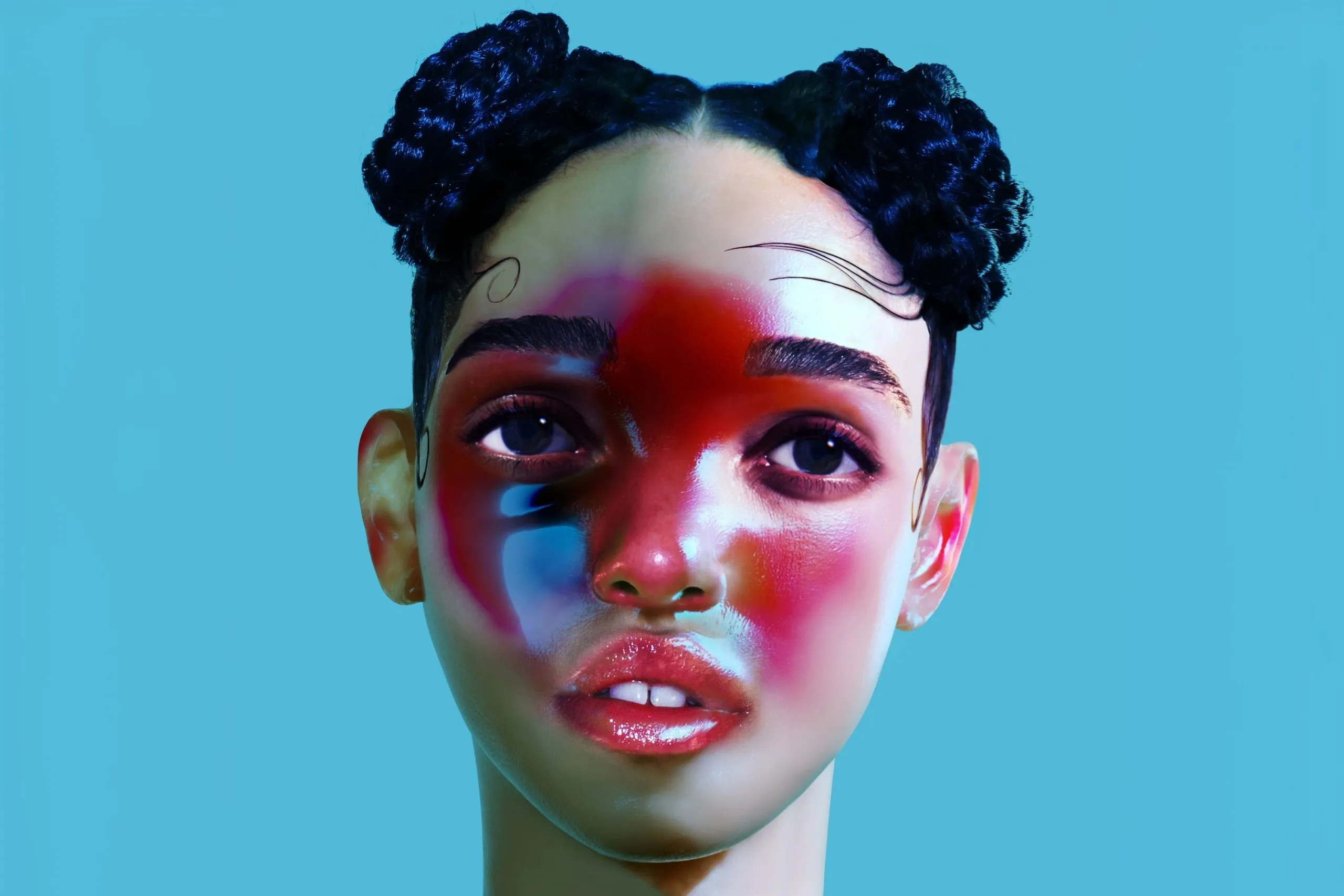
FKA Twigs' 'LP1': A decade of defying expectations

As it turns 10, 'LP1' remains an album that redefined the boundaries and paved the way for a new generation of boundary-pushing artists.
FKA Twigs' 'LP1': A decade of defying expectations


How one album redefined the boundaries of experimental pop and paved the way for a new generation of boundary-pushing artists, challenging industry norms and expanding the very definition of mainstream music in the decade since its release

Words: Dan Harrison.


True paradigm shifts are rare. Rarer still are the albums that not only shift said paradigms but seem to exist outside of them entirely, creating their own gravitational pull, bending the very fabric of musical space-time around them. FKA Twigs' 'LP1', released a decade ago today (6th August), is one such cosmic anomaly – a debut that arrived not so much fully formed as fully evolved.

To revisit 'LP1' in 2024 is to be reminded of its startling prescience, its unapologetic weirdness, and its profound impact on the musical landscape of the past decade. It's a record that feels at once intimately of its time and strangely out of the temporal flow altogether – a testament to Tahliah Barnett's singular vision and her refusal to be bound by the expectations of what a pop star should be, sound like, or represent.

Ten years ago, the charts were dominated by the likes of Ed Sheeran's 'x' and Sam Smith's 'In the Lonely Hour': big pop records that understood the rules and played them well. But, in the shadows of East London, a former backup dancer was quietly preparing to flip the whole game board, laying the groundwork for a future where the bold and unconventional would inherit the Earth.

'LP1' landed like a UFO in a field of crop circles – strange, otherworldly, and impossible to ignore. From the opening notes of 'Preface', with its ghostly choral harmonies and skittering beats, it was clear that this was not just another R&B album, not just another electronic experiment, not just another anything. This was something entirely new, a blueprint for a pop landscape where the unusual would become the coveted.

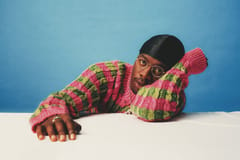
Take 'Two Weeks', the album's lead single and still its most immediately arresting track. On paper, it's a song about desire – hardly revolutionary subject matter. But in Twigs' hands, desire becomes something altogether more complex, more dangerous. "Higher than a motherfucker, dreaming of you as my lover," she breathes over a beat that throbs like an arrhythmic heart, her voice simultaneously ethereal and carnal. It's pop reimagined by David Lynch, desire filtered through a prism of surrealism and body horror – a far cry from the sanitised pop of the day, but a harbinger of the uncompromising artistry that would come to define the genre's cutting edge.

This subversion of expectations runs throughout 'LP1'. Twigs takes the tropes of R&B – sensuality, vulnerability, heartbreak – and twists them into new, often unsettling shapes. 'Lights On' turns the standard sexy slow jam into a meditation on trust and exposure. "When I trust you we can do it with the lights on," Twigs whispers, a line that could be about sex but feels more like a metaphor for the terrifying prospect of true intimacy in a world of carefully curated personas. It's this unflinching exploration of the uncomfortable that links Twigs to today's pop vanguard, from Billie Eilish's whispered confessionals to Charli xcx's abrasive hyperpop.

Twigs' vocals on 'LP1' are a masterclass in control and restraint. She rarely belts or showboats, instead using her voice as another instrument in the mix, weaving it through the production like a silvery thread. On 'Pendulum', her voice is layered and distorted until it sounds like a choir of alternate universe versions of herself, each one slightly out of phase with the others. It's a sonic representation of fractured identity that feels more relevant than ever in our era of multiple online personas and curated realities – a theme that resonates strongly with the Gen Z artists currently reshaping pop in their own image.

The production, courtesy of pioneering collaborators like Arca and Emile Haynie, creates soundscapes that feel like fever dreams – sparse yet intricate, cold yet intimate. Beats stutter and glitch, synths warp and distort, and through it all, Twigs' voice floats like a ghost in the machine. It's the sound of R&B being dismantled and rebuilt as a cyborg, beautiful and unsettling in equal measure.

Yet for all its futuristic sheen, 'LP1' is also deeply, vulnerably human. In 'Numbers', Twigs lays bare the insecurities...