

Dork
Dork Radio
Live
Dork Radio

Sarah Kinsley: "Experimentation, curiosity, and a need for the unknown has really defined me"

From classical prodigy to pop innovator, Sarah Kinsley has delivered a debut album that captures fleeting moments in time.
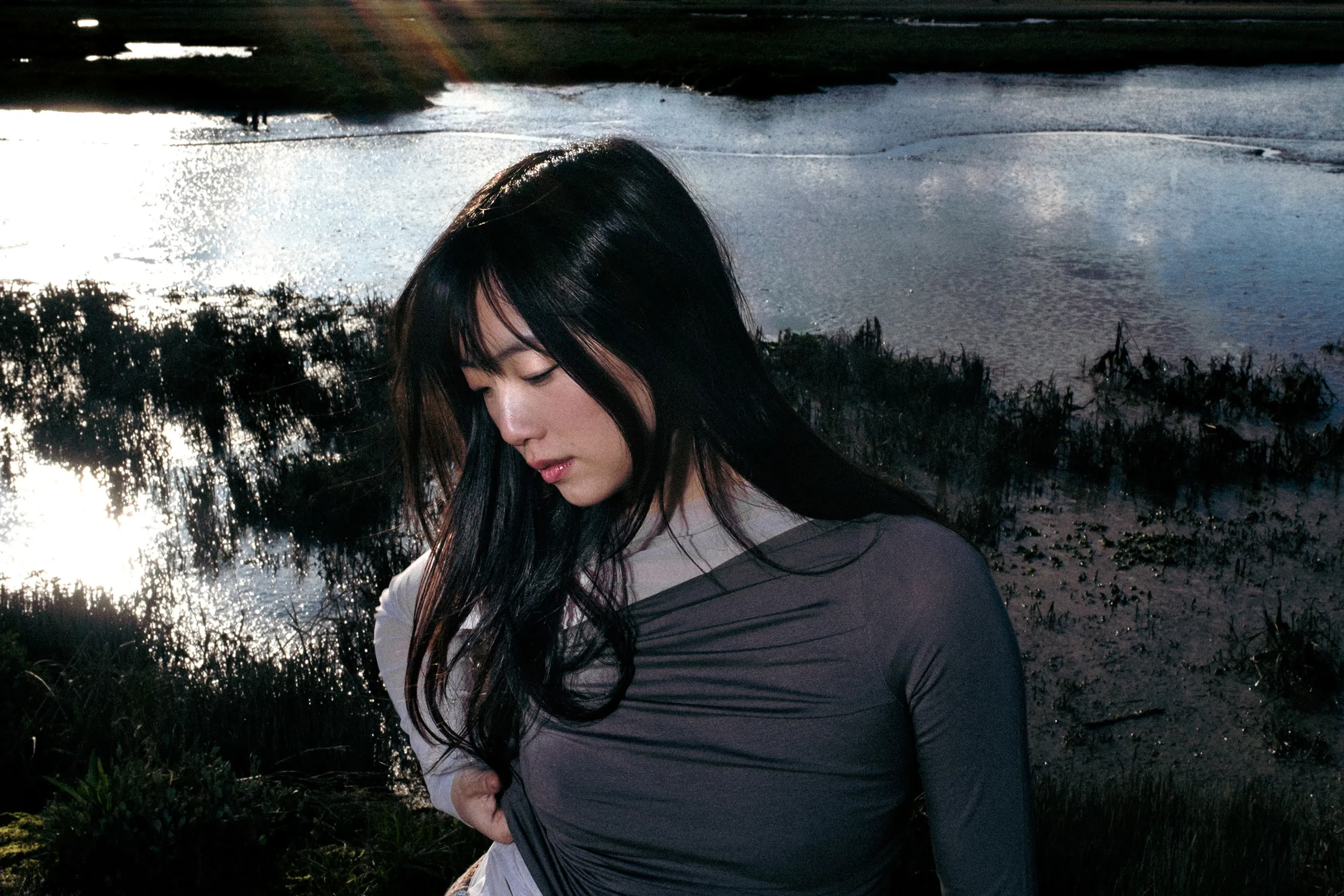
Sarah Kinsley: "Experimentation, curiosity, and a need for the unknown has really defined me"

From classical prodigy to pop innovator, Sarah Kinsley has delivered a debut album that captures fleeting moments in time.

Words: Stephen Ackroyd.


There's a peculiar alchemy that occurs when classical training meets pop sensibility. It's a delicate balance that many attempt, but few truly master. Sarah Kinsley, however, seems to have stumbled upon the philosopher's stone of this musical transmutation, turning base elements into pure gold with her debut album, 'Escaper'.

"I plan to lie in a very lush park for a few hours and trade some clothing at my local vintage shop," Kinsley announces, outlining her plans for the day. It's not the typical schedule you'd expect from an artist whose debut album is on the horizon. But then again, Sarah Kinsley is far from typical.

The serene approach to what could be a nerve-wracking time speaks volumes about her artistic ethos. 'Escaper' is the culmination of a lifetime steeped in music. But for Kinsley, music isn't just about the end product - it's a way of life, a lens through which she views the world.
"Music has always been a part of my life for as long as I can remember," Kinsley reflects. "I was a pianist at four years old. The idea that I could create music was very foreign to me for a few years. I loved to compose classical music, which is how it began: waltzes, piano concertos. My voice became really apparent to me in high school and I began to sing, I began to write and dream. But it wasn't until I began to produce my own music that I understood that making music was what I had to do."

This journey from classical prodigy to multi-faceted artist has been marked by a constant thirst for knowledge and experimentation. Kinsley's formal music education at Columbia University played a crucial role in shaping her artistic vision, but not necessarily in the ways one might expect.

"You know this is such a tough one to figure out," she muses when asked about the impact of her studies. "The greatest thing about studying music in college was the community. I had really wonderful professors; I still think about them now: David Adamcyk, Seth Cluett. The work that was happening, the indie scene that was bubbling at school, the shows people were putting on in basements. All of that was very informative to me, very necessary for my sort of understanding of what music can be."

But it wasn't just the curriculum that left its mark. "I learned a lot of theory in school, a lot of very specifically Western music history," Kinsley continues. "It was useful in that I understood the throughline of one side of music. But the true value of my experience came from learning the newer frontier, the edge of how people were trying to make sense of music, how music should be created, why music had to be formulated in one specific way. That was life-changing for me. That quality of experimentation, curiosity, and a need for the unknown has really defined me since leaving school."

"I loved to compose classical music, which is how it began: waltzes, piano concertos"

Sarah Kinsley