

"This is not the right terminology, but I appreciate the fact that I have a chance to defend myself before people can form opinions… I can bask and be proud a little bit before the anxiety hits. Like, when you see the 300 comments on YouTube, and there's the one that says, 'Why doesn't he scream as much on this?' Before I see that, I have a chance to be proud about it."
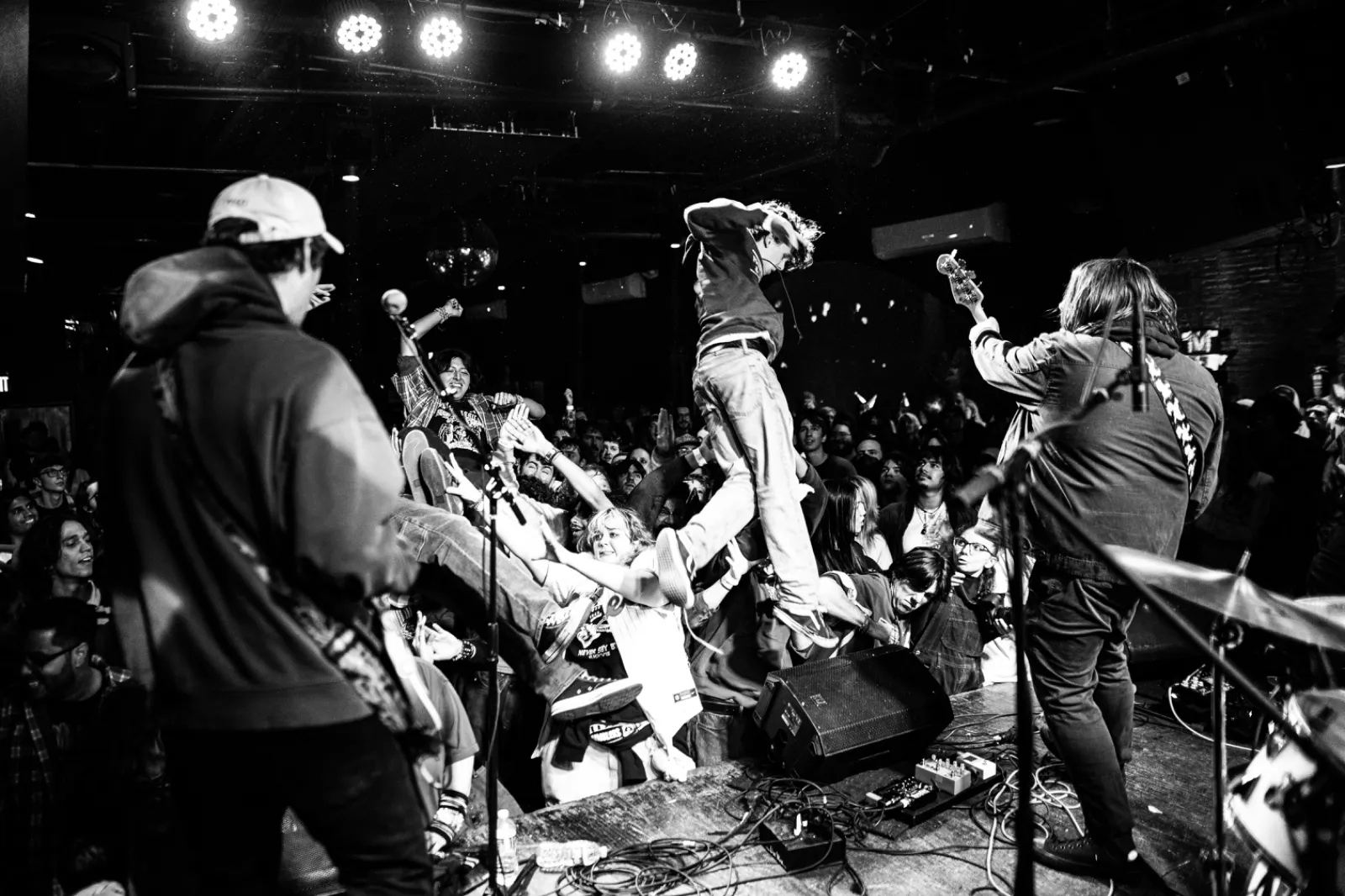
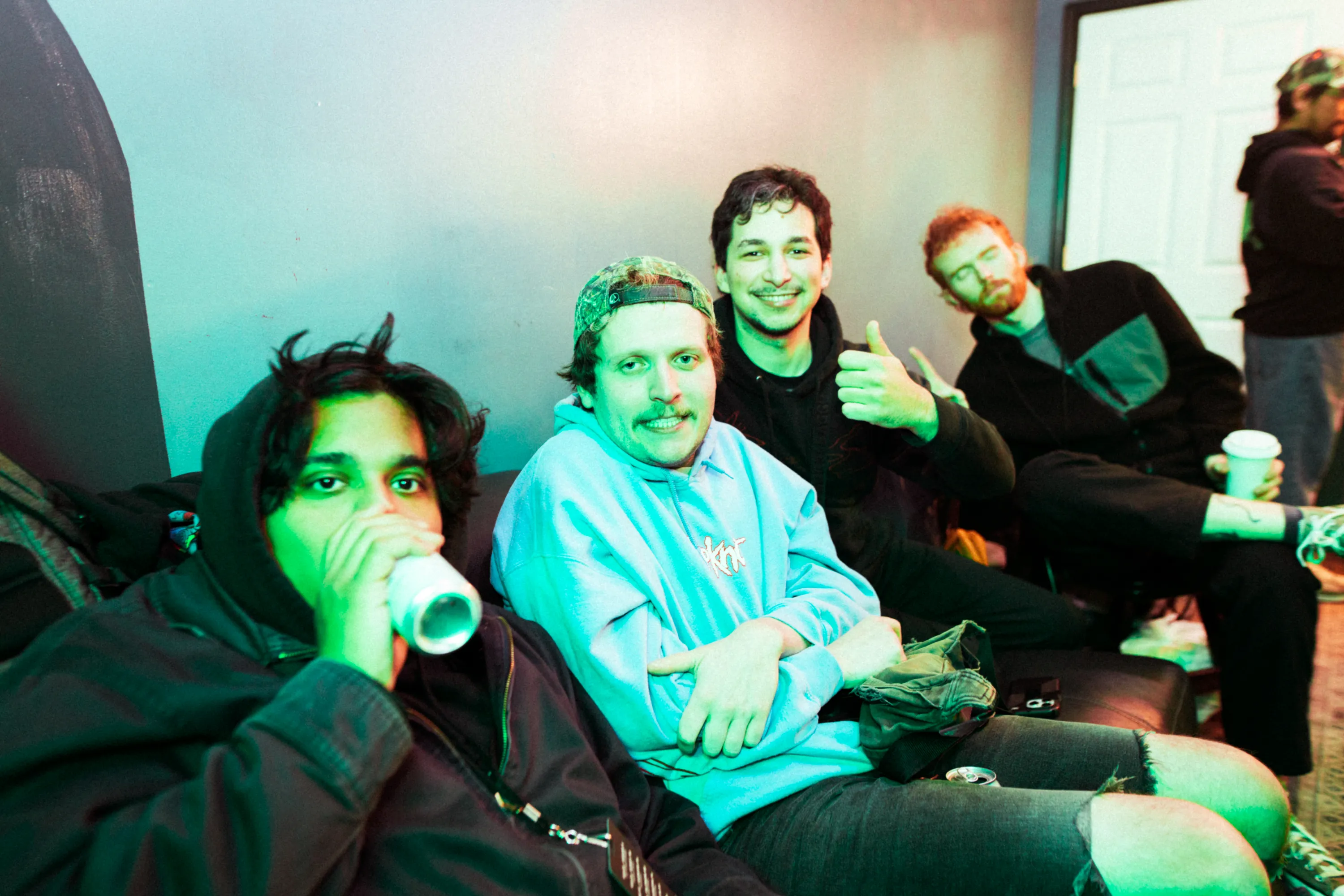
It's a good time to catch Prince Daddy & the Hyena's Kory Gregory. This is the very first interview to promote new album 'Hotwire Trip Switch' and Dork's well in the weeds of artistic anxiety and creativity – perhaps before emotional burnout turns the album promotion process into a chore.
And it's pertinent too, because Prince Daddy are jumping into the unknown. They're a band that's grown bigger with every release. They're survivors of the post-emo revival boom, and as they grow artistically, those roots that tie them to the past continue to be severed.
With a beloved debut behind them, an astonishingly brave concept album and a stellar breakout, they've continued to evolve while successfully bringing the fans with them every step of the way. The only way to top that is to successfully land the album of their career. Shout it from the rooftops, but with 'Hotwire Trip Switch' it might just be mission accomplished.
It means that Kory and the good ship Prince Daddy – crewed by guitarist Cameron Handford, drummer and vocalist Daniel Goreham and bassist Jordan Chmielowski – have every right to be proud, despite the anxiety around any negative responses when the album lands.
Interestingly, despite this obvious musical growth, 'Hotwire Trip Switch' lacks the narrative scope of the group's previous efforts. Instead of layered themes and 'shroom-induced indie-rock musicals, it's a record that doubles down on what Prince Daddy & the Hyena do best: writing banger after banger after banger.
"I think, every record leading up to now was kind of… heavy-handed sounds a little too insulting, like I'm hitting down. How I'd describe it is that I would write the record before I wrote any songs for the record. I had an outline, and I knew what I needed to say, and I knew what the concept was. I knew what I wanted to accomplish, and then had to write 9 to fifteen songs to fit that vision.
"Whereas this one took actual effort. That [the old way] was how I learned to write music, so it took actual effort not to do that. It was a challenge to myself. I think it ended up with me realising that I still love conceptual records, but I was also able to be a little bit more sincere and more transparent than I was with the other ones. Not because I wasn't on the other records, but because I was able to talk about and write about things that I was feeling and not have to be worried about what its role was in the album or where it fit in the vision."