

Cast no shadow: how hindsight shouldn't change what Oasis really meant
As a thirteen year old in 1996, the world was an impossibly exciting prospect. Full of fascination and too young to really understand much of anything,...
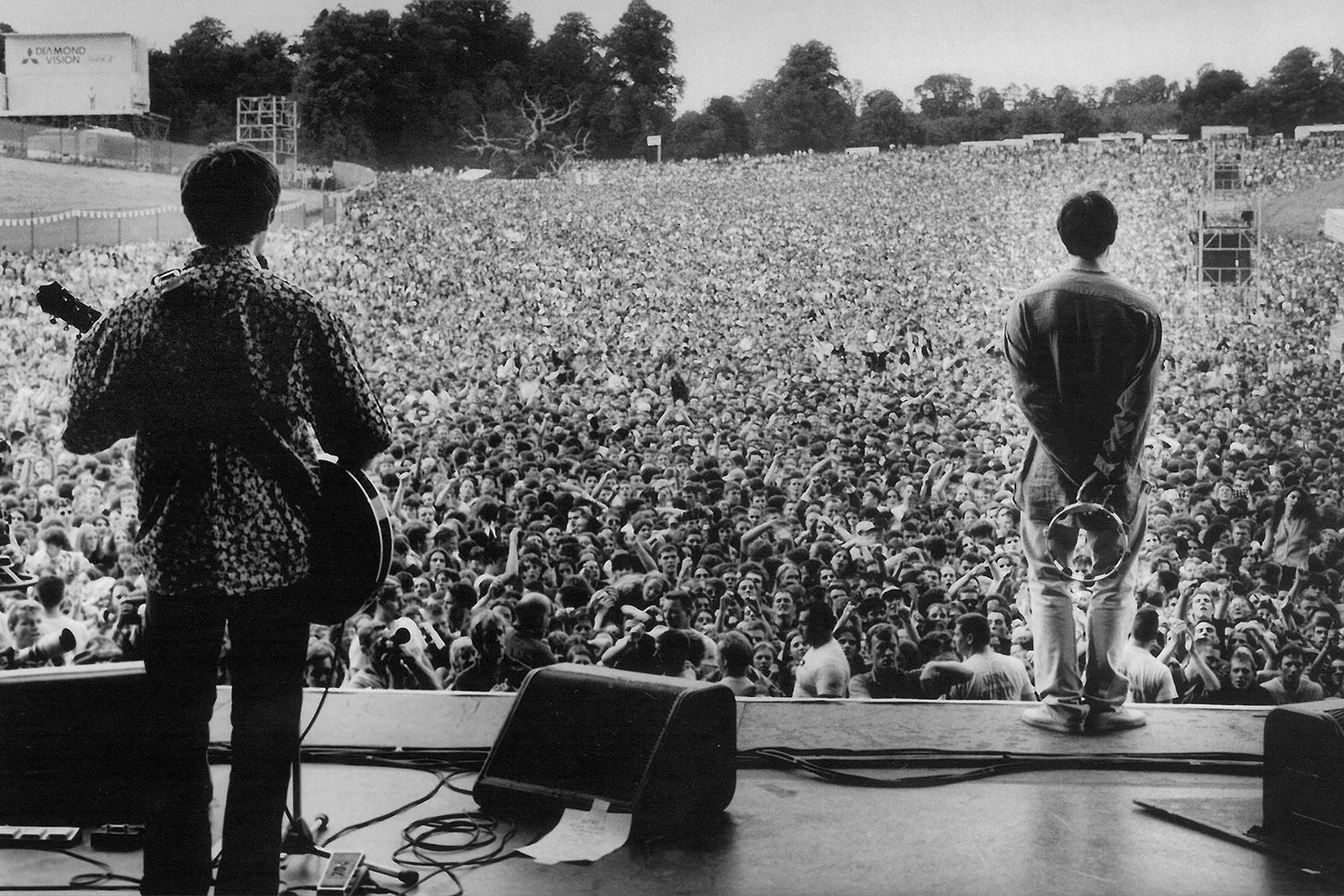
As a thirteen year old in 1996, the world was an impossibly exciting prospect. Full of fascination and too young to really understand much of anything, British music felt like it was everything. Giant, technicolour bands breaking from the sticky floored toilet circuit to the front pages of national newspapers; genuine characters identifiable by their first name looming large over day-glo breakfast telly and what seemed impossibly cool prime time slots - it felt like anything was possible. Not that this is one of those deeply personal opinion pieces, you understand. It’s simply context. Twenty years ago today, Oasis - the band who felt like the primary force behind it all - played Knebworth. Too young to even consider being there, or at any other show, it still felt important - because it was. The Mancunians, like so many of their peers, may be sneered at now, but most of that criticism simply doesn’t hold up. Not if you think music can be something more than a series of noises emitted by an app through some expensive technology. See, Oasis - and as proud City fans, they wouldn’t thank you for this comparison - are a bit like Wayne Rooney. So many who were barely old enough to spot a Tellytubby by the time ’97’s bubble-popping ’Be Here Now’ was released will tell you they’re ‘shit’. But they were nothing of the sort: for a couple of glorious years they were fantastic. The swaggering, snotty-as-fuck ‘Rock ’n’ Roll Star’ every inch that top corner screamer that announced England’s young prodigy against Arsenal, the entire of ‘(What’s The Story)’ his rampaging European Championships of ’04. The buzz - so palpable you could feel it in the air - infected a whole nation. Those discovering them later may be left looking at a more limited, slightly ruddy faced band with a loose first touch and soaked in their own faded glamour - but you weren’t there, man. That boy could really play.